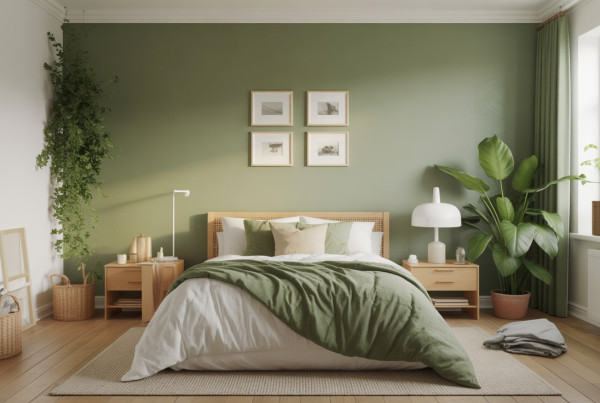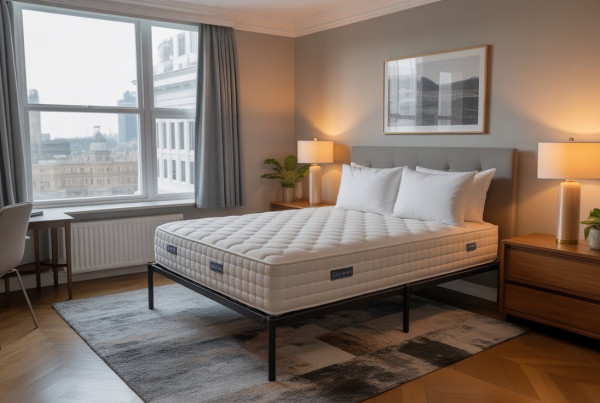

Minimalist bedroom design tips focus on creating simplicity, order, and peace. In a world filled with constant noise and distraction, the minimalist approach offers calm and clarity. A space designed with minimalist bedroom design tips is uncluttered, functional, and filled with intention — every item has a purpose, and nothing feels out of place.
The beauty of minimalist bedroom design tips lies not in what’s added but in what’s removed. By embracing neutral tones, clean lines, and open spaces, you can create a bedroom that feels like a breath of fresh air. This design philosophy promotes mental relaxation, better sleep, and an overall sense of harmony.
Start with Decluttering

Before adding anything new, start by removing what you don’t need. Clutter creates chaos and limits focus. Keep only essential items like your bed, nightstand, and lighting. Donate or store unnecessary belongings.
Following minimalist bedroom design tips begins with simplicity — when the environment is clean, the mind feels free. Less truly becomes more.
Choose a Neutral Color Palette

Colors set the emotional tone of a room. Stick to whites, soft grays, and earthy beiges. Neutral shades create a serene backdrop and make your space feel open and airy.
Incorporating a muted palette is one of the most essential minimalist bedroom design tips. It allows light to flow naturally, promoting calmness and visual balance.
Focus on Quality Over Quantity
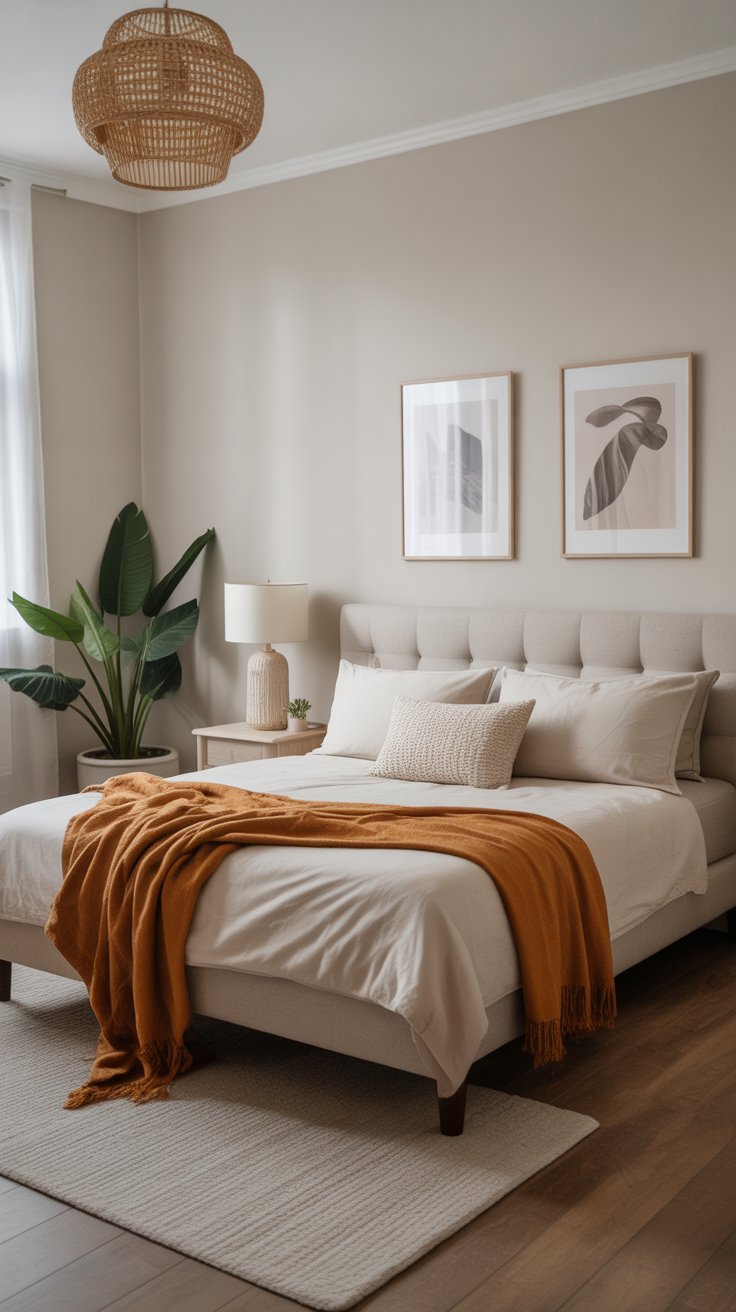
Minimalism isn’t about having less; it’s about having better. Choose high-quality furniture, durable fabrics, and timeless decor that lasts for years. Avoid impulse purchases that add clutter.
This principle is central to minimalist bedroom design tips, ensuring your space remains elegant and functional without unnecessary extras.
Simplify Furniture Design
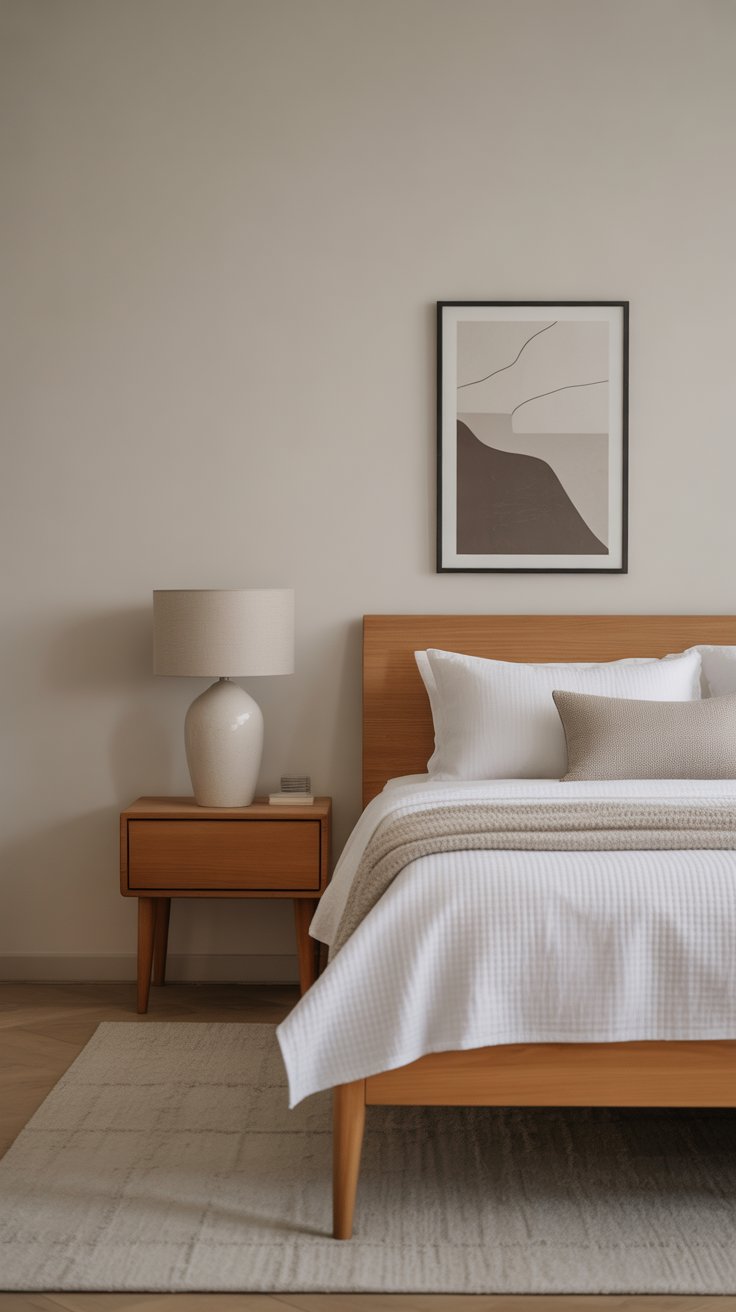
Choose furniture with clean lines and simple shapes. Avoid ornate carvings, heavy details, or oversized pieces. A minimalist bed frame, sleek nightstands, and slim lamps maintain a sense of order.
Incorporating sleek furniture exemplifies minimalist bedroom design tips — function meets beauty without overcomplication.
Keep Surfaces Clear
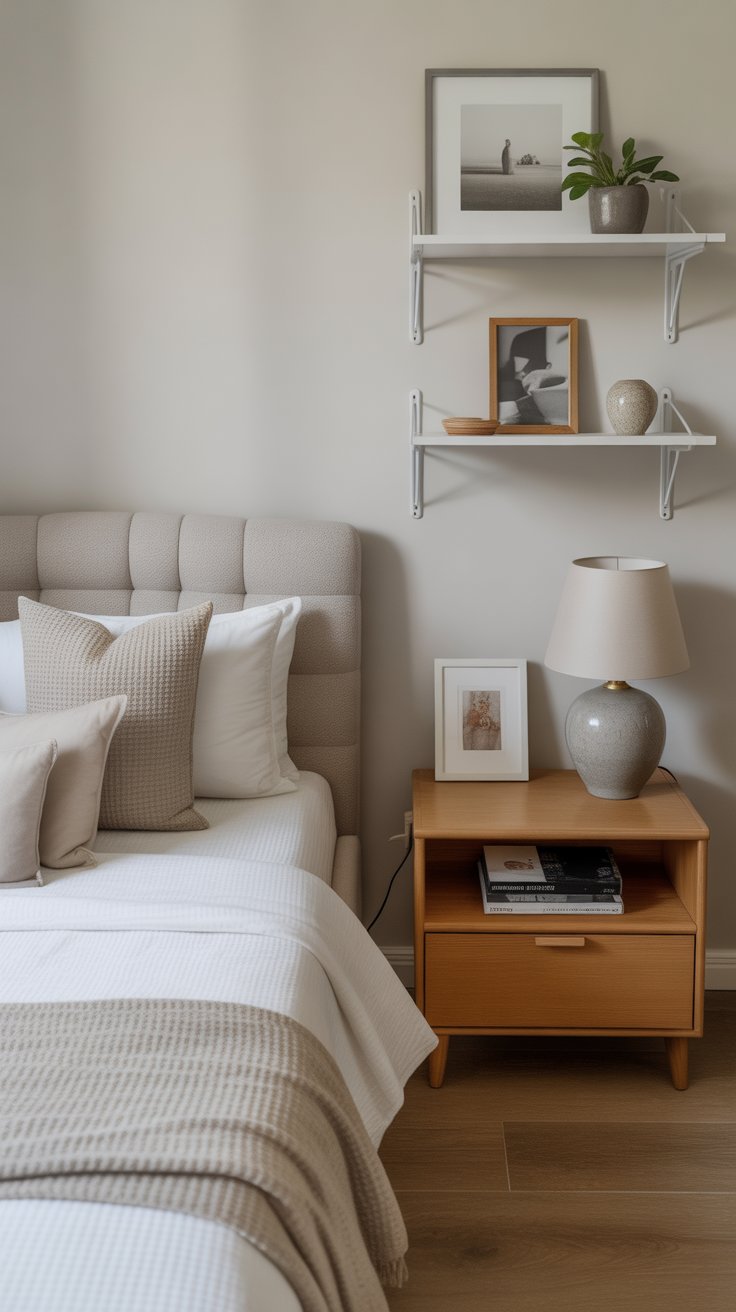
Tabletops and shelves should stay free from random items. Display only one or two meaningful objects like a lamp or framed photo. Clear surfaces amplify calmness and give visual breathing space.
The philosophy behind minimalist bedroom design tips encourages intentional living — what remains should bring joy or serve purpose.
Incorporate Natural Materials

Wood, linen, cotton, and stone bring warmth to minimalism. These materials soften the visual austerity and make the room feel organic and comforting.
Natural textures strengthen minimalist bedroom design tips, grounding your modern simplicity in nature’s timeless elegance.
Use Soft Lighting

Harsh lighting breaks the serenity of minimalist interiors. Use soft, diffused lights from lamps or hidden LED strips. Warm light enhances coziness, while neutral daylight tones maintain freshness.
Lighting design plays a huge role in minimalist bedroom design tips, shaping the room’s mood while keeping it simple and soothing.
Choose Multi-Functional Furniture

In smaller spaces, furniture that serves multiple purposes — like a bed with drawers or a foldable desk — saves space and enhances function. This keeps your design efficient and uncluttered.
Smart furniture integration aligns perfectly with minimalist bedroom design tips, ensuring everything serves a purpose without compromise.
Add a Single Statement Piece

A minimalist room doesn’t have to be boring. Introduce one standout feature — a striking art piece, textured rug, or unique chair — as the focal point. Keep the rest subtle to maintain balance.
The “less but better” approach defines minimalist bedroom design tips, where each element is chosen thoughtfully to add value, not distraction.
Keep Lines Straight and Flowing

Straight lines and simple geometry create visual order. Arrange furniture symmetrically and leave generous spacing between pieces to let the design breathe.
In minimalist bedroom design tips, structure creates harmony — your eye naturally relaxes when everything aligns neatly.
Go Digital-Free
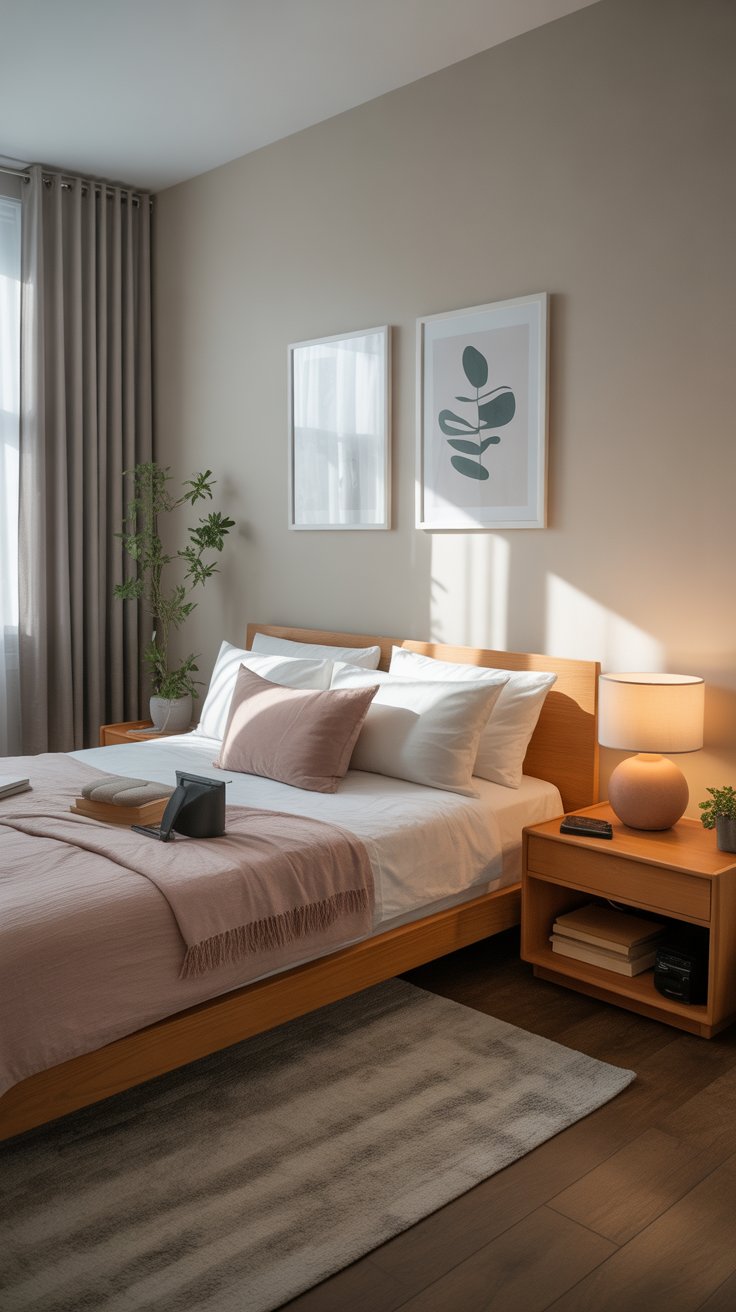
Technology can interrupt peace. Keep gadgets like TVs or computers outside the bedroom. Instead, use this space for relaxation, reading, or meditation.
Digital simplicity enhances minimalist bedroom design tips, helping you build a healthier environment for rest and recovery.
Use Textures for Depth

Since minimalism uses few colors, textures add interest. Mix smooth surfaces like polished wood with soft textiles such as linen bedding or wool throws.
Layering tactile elements embodies minimalist bedroom design tips, keeping the room warm and inviting without visual clutter.
Hide Storage Creatively

Minimalist design thrives on hidden storage. Use under-bed drawers, built-in closets, or wall cabinets to conceal items. This keeps surfaces clean and the design cohesive.
Clever organization reinforces minimalist bedroom design tips, supporting both practicality and elegance.
Keep Decor Simple

Decor should be limited but meaningful. One plant, a candle, or a minimalist sculpture can speak volumes. The goal is to evoke feeling without excess.
In minimalist bedroom design tips, restraint is power — each object earns its place in the room.
Add Greenery

Plants bring life without overwhelming simplicity. Choose easy-to-care-for species like snake plants, succulents, or monstera. Their organic shapes contrast beautifully with clean lines.
Natural elements enhance minimalist bedroom design tips, blending purity with freshness for a peaceful retreat.
Use Natural Light
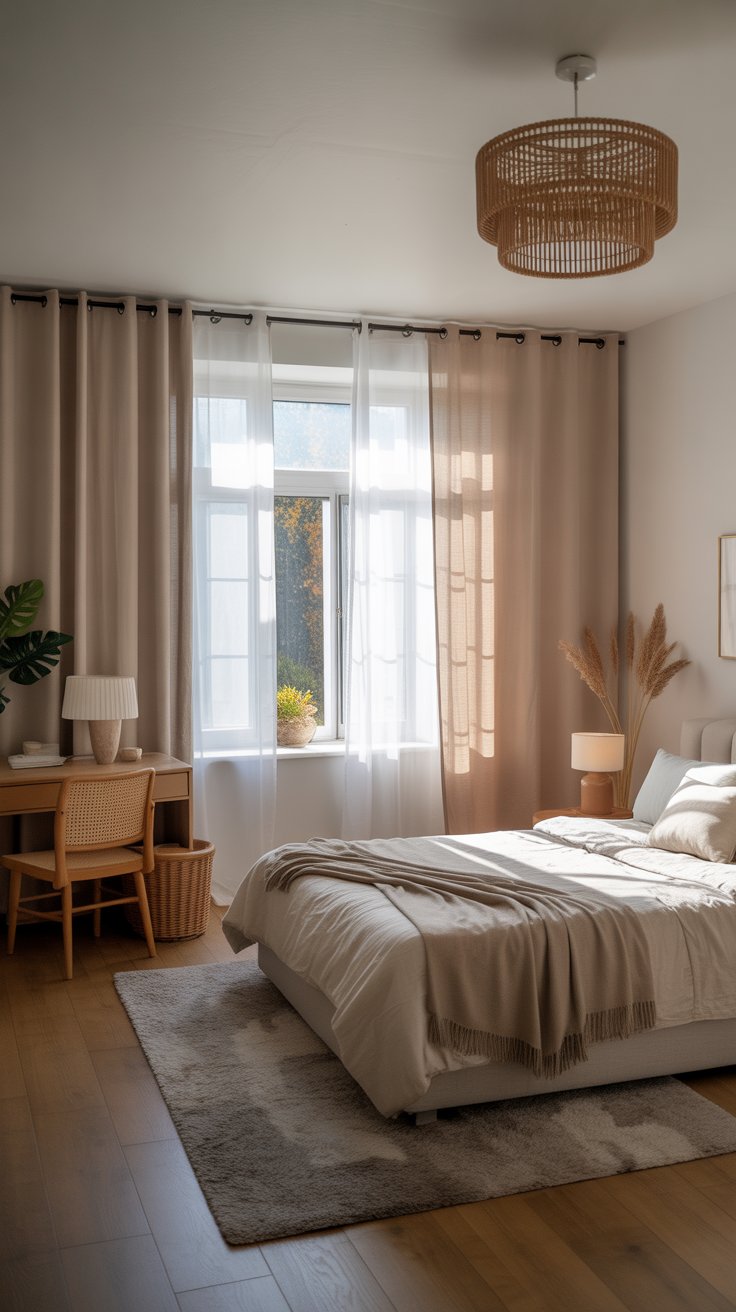
Let natural light dominate your space. Remove heavy curtains and replace them with sheer fabrics that allow sunlight to filter gently through.
Illumination defines the tranquility of minimalist bedroom design tips, brightening your space naturally and improving your mood.
Maintain Symmetry

Balance is calming. Place furniture symmetrically around the bed — two lamps, matching side tables, or aligned artwork create order and peace.
Symmetry is a silent yet powerful principle of minimalist bedroom design tips, guiding the eye and easing the mind.
Limit Artwork

Too many wall decorations can make a room feel busy. Choose one or two meaningful pieces with simple frames and muted tones.
This restraint aligns perfectly with minimalist bedroom design tips, transforming your wall into a peaceful focal area rather than visual clutter.
Use Open Space Wisely

Leave some areas intentionally empty. Negative space, or ma, is just as important as what’s present. Open floor areas encourage movement and relaxation.
Appreciating emptiness is at the heart of minimalist bedroom design tips, where simplicity itself becomes art.
Prioritize Comfort

Minimalism doesn’t mean living in an empty, emotionless space. In fact, the best minimalist bedrooms prioritize comfort as much as simplicity. The key is to design a room that invites calmness the moment you step inside. Start by choosing high-quality bedding that feels soft and breathable. Opt for neutral-colored blankets, natural cotton sheets, and supportive pillows that encourage restful sleep. Keep only the essentials near your bed — a lamp, a book, or maybe a single plant — to create a peaceful environment that helps your mind slow down after a busy day.
Comfort in minimalism isn’t about adding more things, but about choosing what matters most. When your bedroom feels cozy, your mind feels lighter, and your body can truly rest. You don’t need fancy decor or bold colors to achieve this — sometimes, a perfectly made bed and gentle lighting are all it takes. Follow this mindset throughout your space: fewer objects, softer materials, and thoughtful arrangement. In minimalist bedroom design tips, comfort isn’t the opposite of minimalism — it’s the result of doing minimalism the right way.
Add a Touch of Warm Wood

Wood adds warmth and natural beauty to a minimalist bedroom without breaking its simplicity. Light-colored woods like birch, oak, or pine brighten the space, while darker tones like walnut add depth and grounding. You can incorporate wooden elements through furniture, floor panels, or small decor pieces such as trays and wall shelves. Wood grain brings natural texture that complements the clean lines of minimalism, giving your room a welcoming atmosphere that feels both modern and timeless.
The charm of minimalist bedroom design tips lies in the subtle balance between simplicity and comfort. Adding wood introduces warmth that softens the cool edges of modern decor. Even one wooden nightstand or bed frame can transform the energy of the entire room. The key is to let the wood’s natural tone shine without overpolishing it. When you combine minimal design with organic materials, your bedroom becomes more than stylish — it becomes deeply comforting.
Keep Accessories Functional
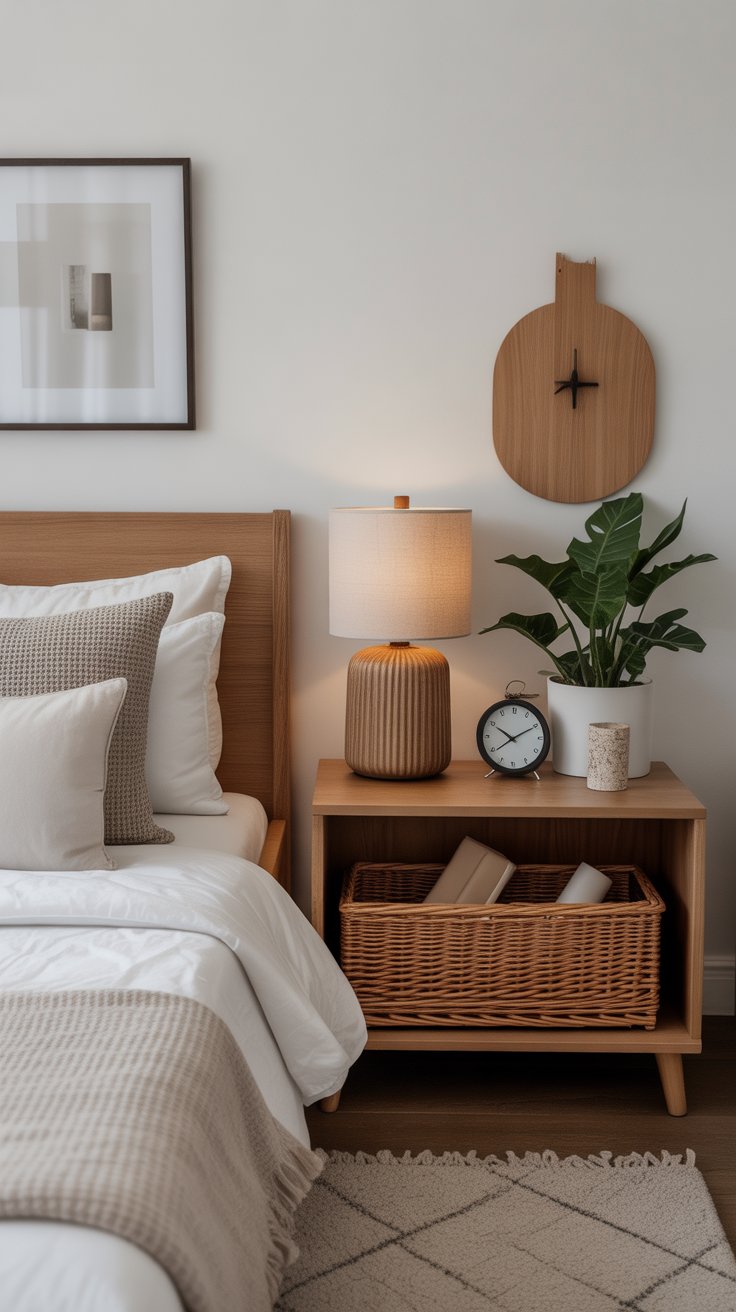
Accessories in minimalist spaces must serve a clear purpose. This doesn’t mean you can’t decorate; it means every piece you include should add value. A lamp provides warm light, a small clock offers function, and a basket organizes essentials neatly. Avoid filling your room with items that exist only for decoration. Focus instead on accessories that are both beautiful and practical, enhancing your room’s comfort while keeping visual clutter to a minimum.
The philosophy behind minimalist bedroom design tips is simple: function before form. You can still express personality through textures, finishes, and meaningful items, as long as they don’t overwhelm the design. When each piece in your room has a reason to exist, everything feels calm and balanced. The result is a space that feels personal, harmonious, and effortlessly neat — proof that minimalism doesn’t mean sterile; it means intentional.
Limit Color Contrasts

Too many strong contrasts can break the serenity of a minimalist room. Stick to a soft, cohesive palette where each shade blends into the next. Combine off-white walls with beige bedding, light gray curtains, or pale wood furniture for a soothing effect. A monochromatic or analogous palette enhances light and flow, making the room appear larger and calmer. The goal is not to eliminate color but to use it gently and with purpose.
Balanced tones embody the heart of minimalist bedroom design tips. When colors flow together, your mind relaxes more easily. You don’t feel overstimulated or distracted; instead, you feel grounded. Subtle shades evoke comfort without needing bold expression. Even small details — like matching pillow tones or natural linen textures — help keep your space cohesive. Minimalism thrives when your colors whisper, not shout.
Use Mirrors to Expand Space

Mirrors are powerful tools in minimalist interiors because they open up visual space. Place a full-length mirror beside your wardrobe or opposite a window to reflect natural light. The reflection not only brightens your room but also adds depth and dimension. Mirrors in sleek, frameless styles or thin wood frames blend seamlessly with minimalist aesthetics, creating the illusion of spaciousness without adding clutter.
Within minimalist bedroom design tips, mirrors serve both aesthetic and practical functions. They expand small areas, improve lighting, and add visual interest subtly. Unlike heavy decorations, mirrors enhance design through reflection rather than addition. You can even use mirrored wardrobes to keep the space consistent and functional. With strategic placement, you’ll make your bedroom feel twice as large while keeping it beautifully simple.
Keep Flooring Simple
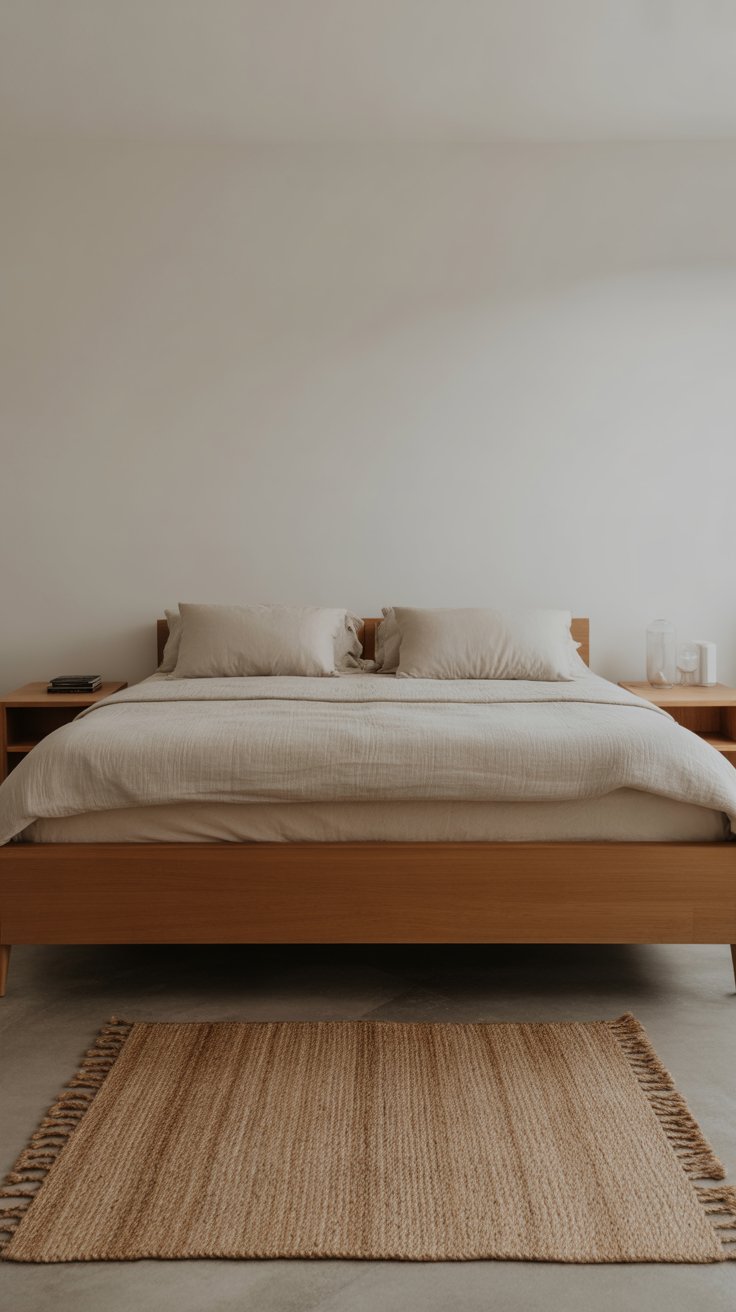
The floor is the silent anchor of your design. Simple flooring — like wood, bamboo, or polished concrete — maintains visual clarity and aligns perfectly with minimalist principles. Avoid bright patterns or heavy rugs that distract from the calm environment. Instead, opt for one textured area rug in neutral shades to bring comfort underfoot while maintaining balance. The simplicity of your flooring sets the tone for everything above it.
In minimalist bedroom design tips, simplicity in flooring reflects discipline and harmony. A clean, uninterrupted surface makes your room feel bigger and brighter. Whether you prefer warm wood or cool stone tones, keep consistency across the room. The goal is seamless flow, where the eye moves effortlessly from floor to ceiling. Minimalist flooring grounds your design — literally and visually — in tranquility.
Integrate Subtle Lighting Layers

Lighting is the heartbeat of a minimalist bedroom. Layering different light sources creates dimension and atmosphere. Start with ambient lighting like ceiling fixtures or diffused lamps. Add task lighting for reading and soft accent lighting for mood. Warm tones enhance relaxation, while dimmable options give you flexibility throughout the day. Avoid harsh, fluorescent bulbs that break the soothing rhythm of the space.
Soft illumination completes minimalist bedroom design tips by balancing light and shadow. Light should highlight textures, not overwhelm them. Concealed LED strips, wall sconces, and paper lamps create warmth without distraction. When you layer light with intention, the entire room glows with quiet elegance. It’s less about brightness and more about balance — the gentle contrast between clarity and calm.
Avoid Overdecorating Walls
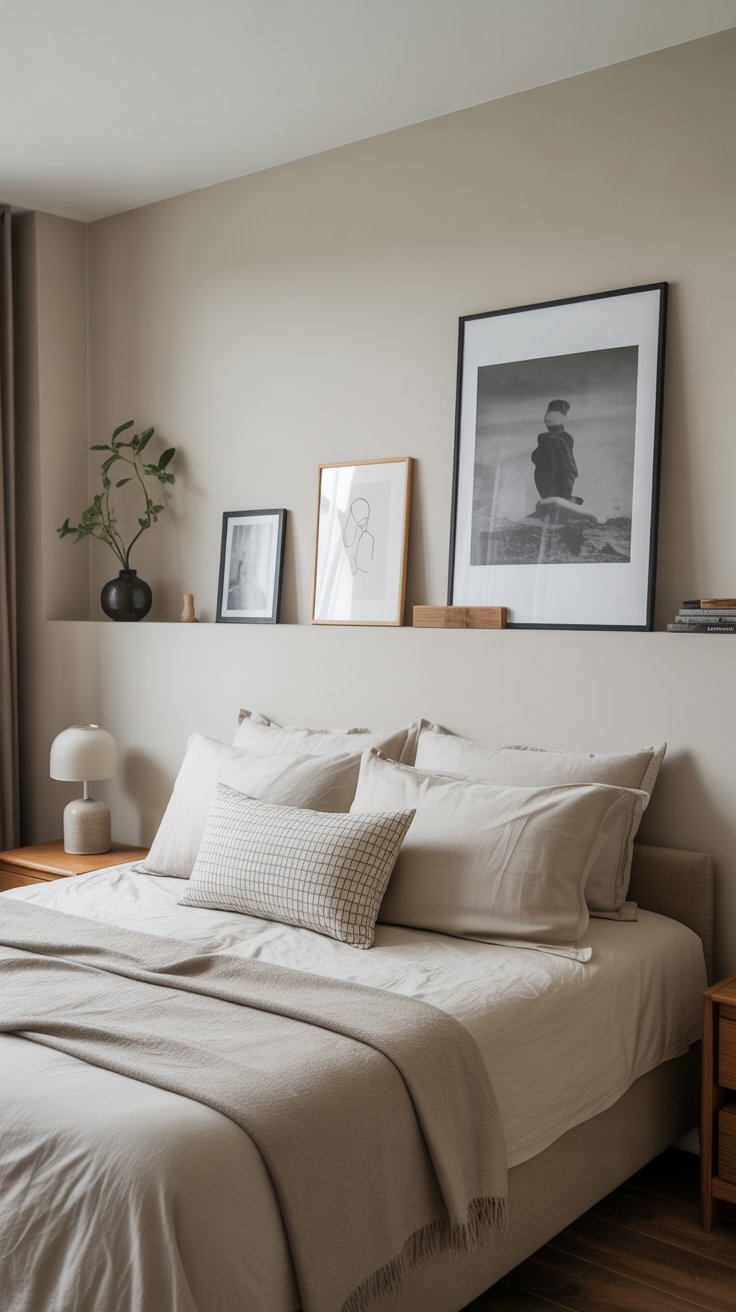
Walls in a minimalist bedroom should breathe. Instead of covering them with art or shelves, choose one or two meaningful pieces that represent peace or inspiration. A single large artwork, a black-and-white photograph, or a simple line drawing can set the mood perfectly. Leave plenty of negative space around it to preserve calm. The blank areas make the chosen pieces more powerful and intentional.
This restraint defines minimalist bedroom design tips. Overdecorating breaks focus and adds visual weight. Minimalism celebrates the beauty of stillness — of space left untouched. Each wall becomes part of the design, not just a background. When you master the balance between emptiness and expression, your bedroom transforms into a work of quiet art.
Choose Airy Window Treatments

Windows connect your bedroom to the outside world, so treat them with care. Replace heavy curtains with linen drapes or sheer panels that let natural light flow freely. If privacy is important, choose neutral blinds that blend into your wall color. Light fabrics make the room feel airy, while darker ones can add subtle contrast if used sparingly. Always prioritize openness over heaviness.
In minimalist bedroom design tips, windows act as the lungs of your room — they let the space breathe. Natural light energizes mornings and soothes evenings, maintaining the room’s gentle rhythm. When sunlight filters through soft fabric, it enhances texture and invites warmth. A well-lit bedroom is a happy bedroom, and minimalism thrives in that soft, glowing balance.
Add Texture Through Bedding

Minimalism doesn’t mean flat or dull. Texture adds life without adding clutter. Combine different fabrics — a linen duvet, cotton sheets, and a woven blanket — to create depth and comfort. Stick to neutral tones so the focus remains on tactile contrast. Layering textures helps your bed become a visual centerpiece without overwhelming the simplicity around it.
Texture is the secret soul of minimalist bedroom design tips. It introduces richness where color is minimal. A balance of smooth and rough, soft and firm, brings sensory harmony to your space. Every fold, fabric, and thread contributes to comfort. When your bedding looks as cozy as it feels, you achieve true minimalism — simple, elegant, and irresistibly relaxing.
Conclusion
Minimalist bedrooms are sanctuaries of simplicity and mindfulness. Every element — from color to furniture — serves a thoughtful purpose. By decluttering, simplifying, and balancing textures, you create a space that restores peace and clarity.
Ultimately, minimalist bedroom design tips teach that true comfort doesn’t come from abundance but from intention. Through clean lines, calm tones, and purposeful design, your bedroom becomes more than a place to sleep — it becomes a reflection of your calmest self.