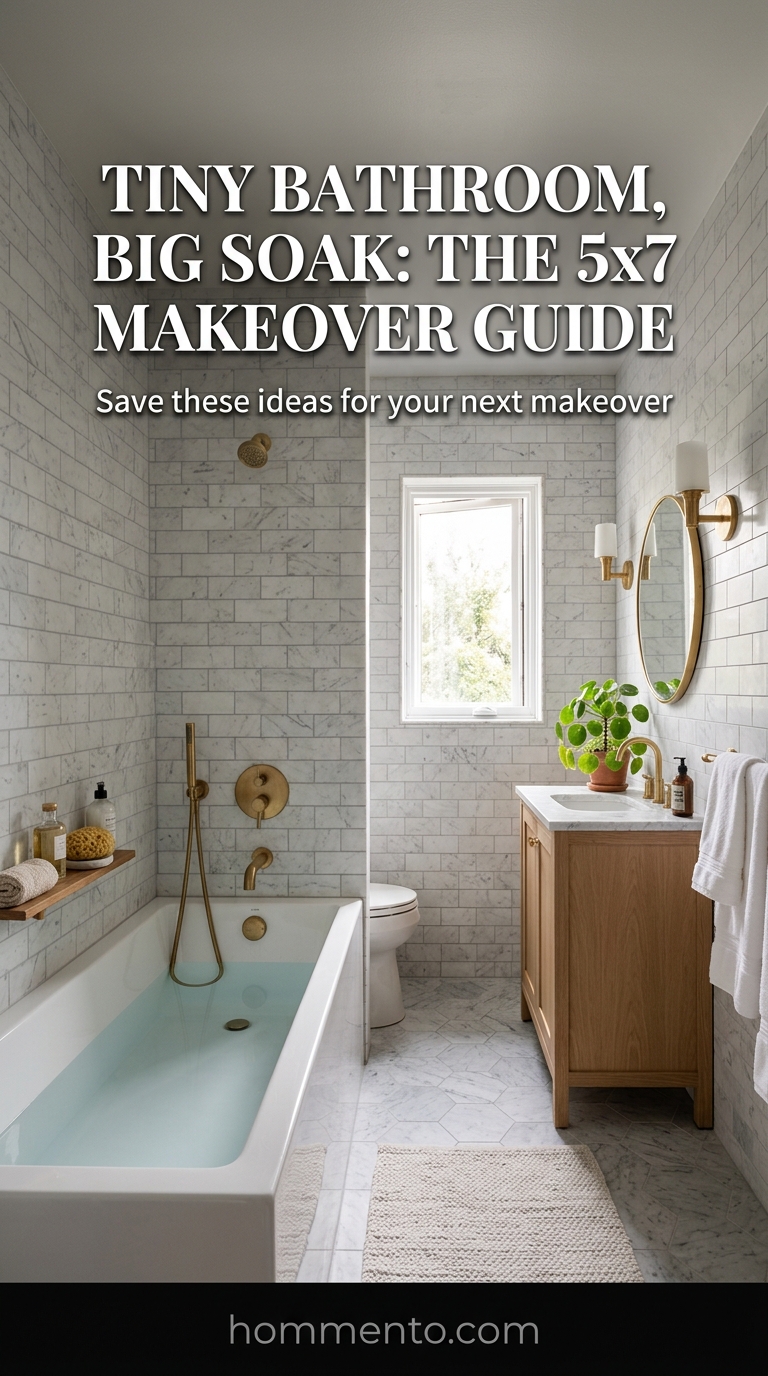
 I spent three years staring at my 5×7 bathroom floor, convinced I was stuck with a standing shower that felt like a plastic coffin. Every contractor told me a real tub was a pipe dream. “The math doesn’t work,” they said.
I ignored them.
I spent way too many nights measuring floor tiles with a cheap tape measure and a glass of wine. I found out that you don’t need a massive room to have a soak—you just need to stop thinking about “standard” sizes. If you’re tired of washing your hair while banging your elbows against the wall, listen up.
I Picked a 48-Inch Tub and My Knees Aren’t Cramped
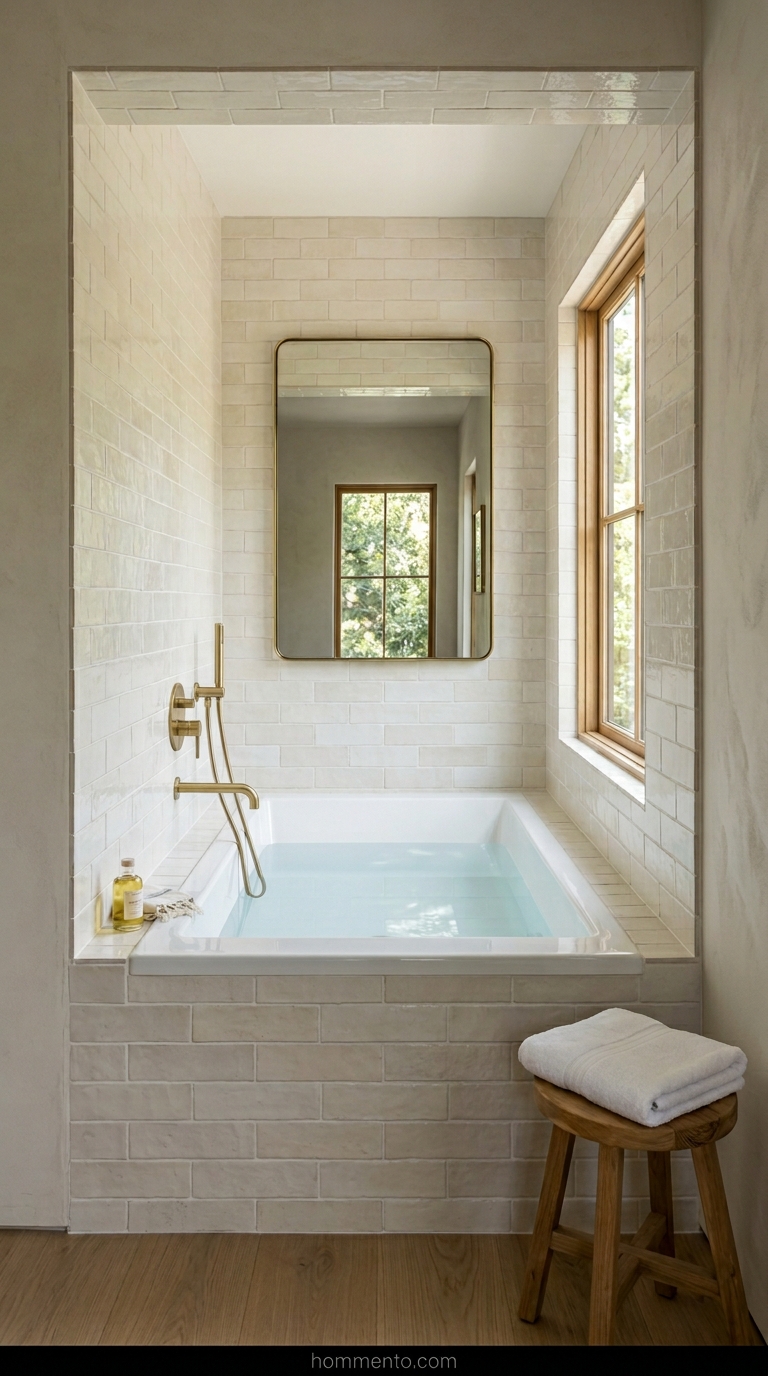
Standard tubs are 60 inches long, but my wall-to-wall was barely 50. I bought a 48-inch acrylic tub that looked like it belonged in a dollhouse. My mom literally laughed when she saw it in the crate.
The secret? Depth.
Because the tub is almost 20 inches deep, I can sit with my knees bent and the water still hits my collarbone. It’s a different kind of soak—more like a hot spring, less like lying flat in a puddle—and honestly, I prefer it. My tall friends think I’m crazy until they actually sit in the thing.
Japanese Soaking Tubs Are My New Obsession
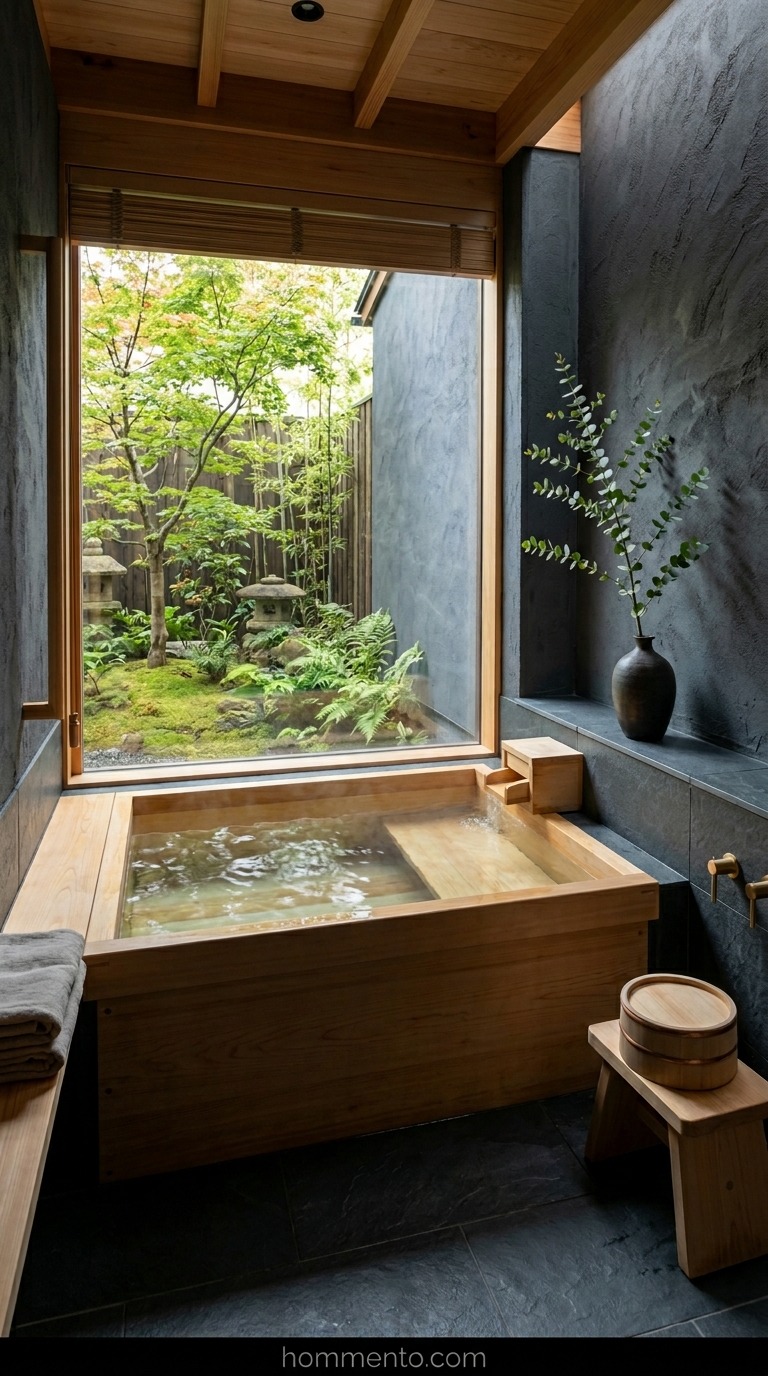
If you have zero horizontal space, look at Japanese ofuro tubs. I almost bought one made of cedar because I’m a sucker for that wood smell, but I went with a modern sit-down version instead. You sit on a built-in bench inside the tub.
It’s weirdly cozy.
You aren’t trying to stretch out your legs. You’re just… sitting there. It’s the ultimate hack for bathrooms that are basically a closet with a toilet. Plus, they look like a piece of art instead of a boring white slab of plastic.
Pay the Plumber to Move the Drain (Just Do It)
My plumber, a guy named Dave who hated my “vision,” told me it would be an extra $900 to move the drain line three feet. I almost said no. I almost kept the crappy old layout just to save the cash.
That would have been a massive mistake.
Moving the drain let me flip the tub so the faucet didn’t hit the door when I opened it. If your current drain is in a spot that ruins your floor plan, pay the “annoyance tax” to move it. It’s the difference between a bathroom that works and one that makes you want to move houses every morning.
Kill the Shower Curtain and Use a Glass Panel
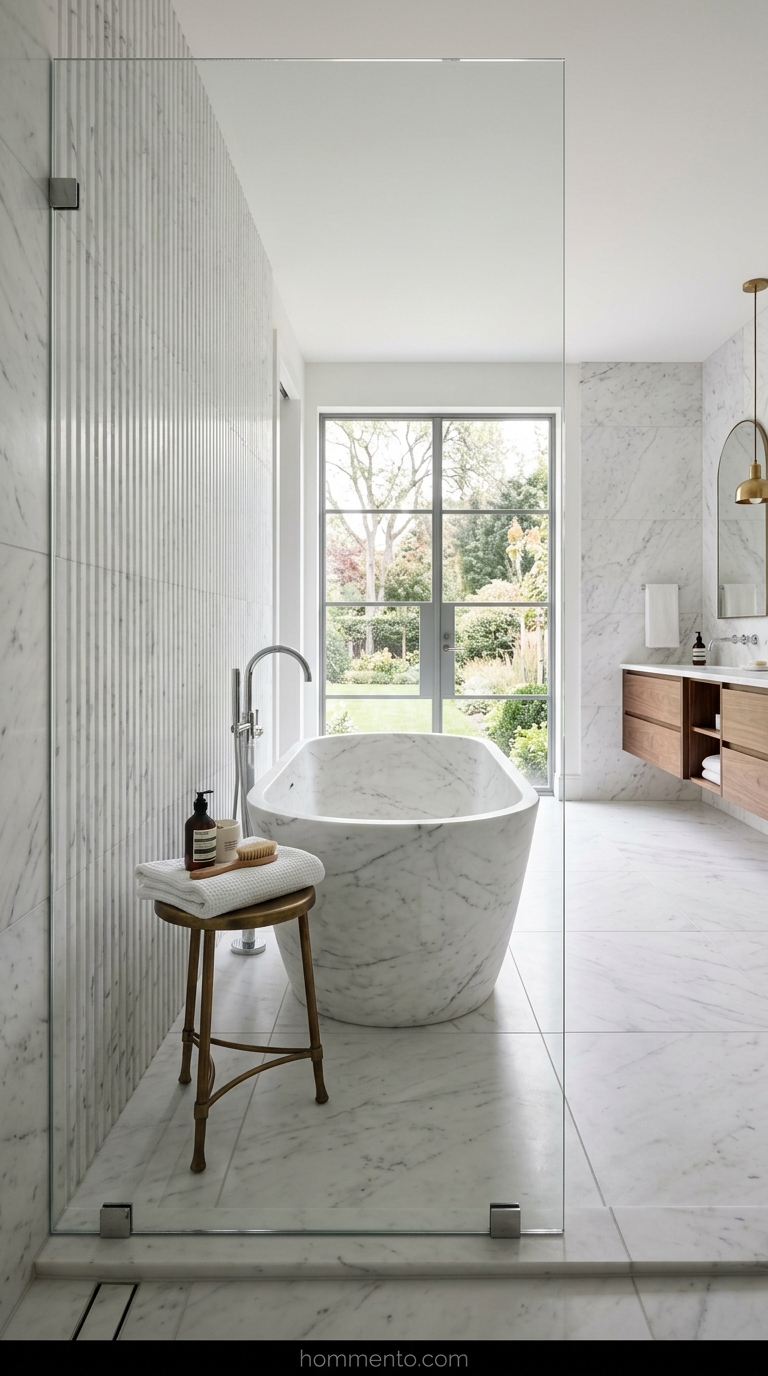
Shower curtains are the enemy of small rooms. They act like a big, fabric wall that cuts your bathroom in half. I ripped mine out and put in a single, fixed glass panel—no door, just a sheet of glass.
Total game changer.
Now, when I walk in, my eyes see all the way to the back wall. It makes the room feel twice as big as it actually is. Yeah, you have to squeegee it once in a while so it doesn’t look gross (soap scum is the devil), but it beats having a soggy curtain touching your leg while you try to relax.
Clawfoot Tubs Trick Your Eyes into Seeing Space
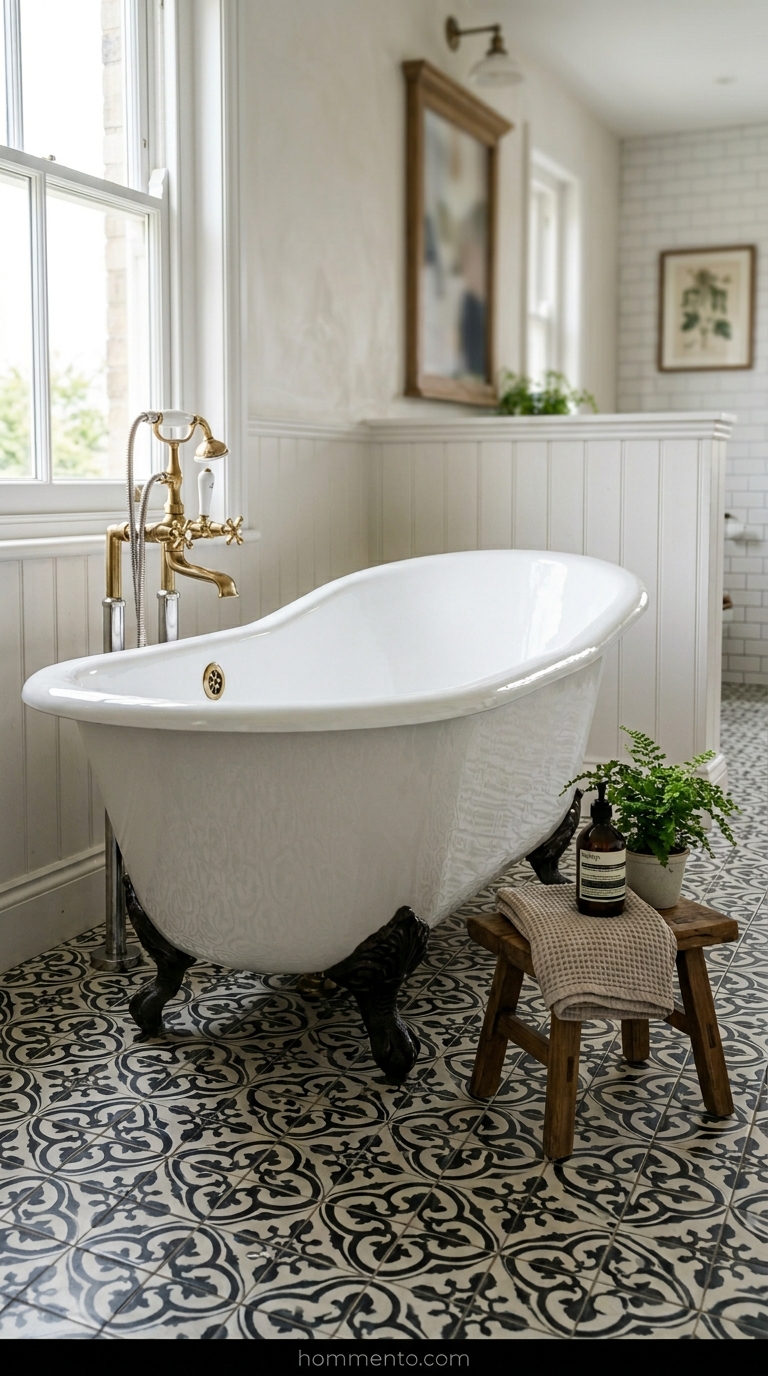
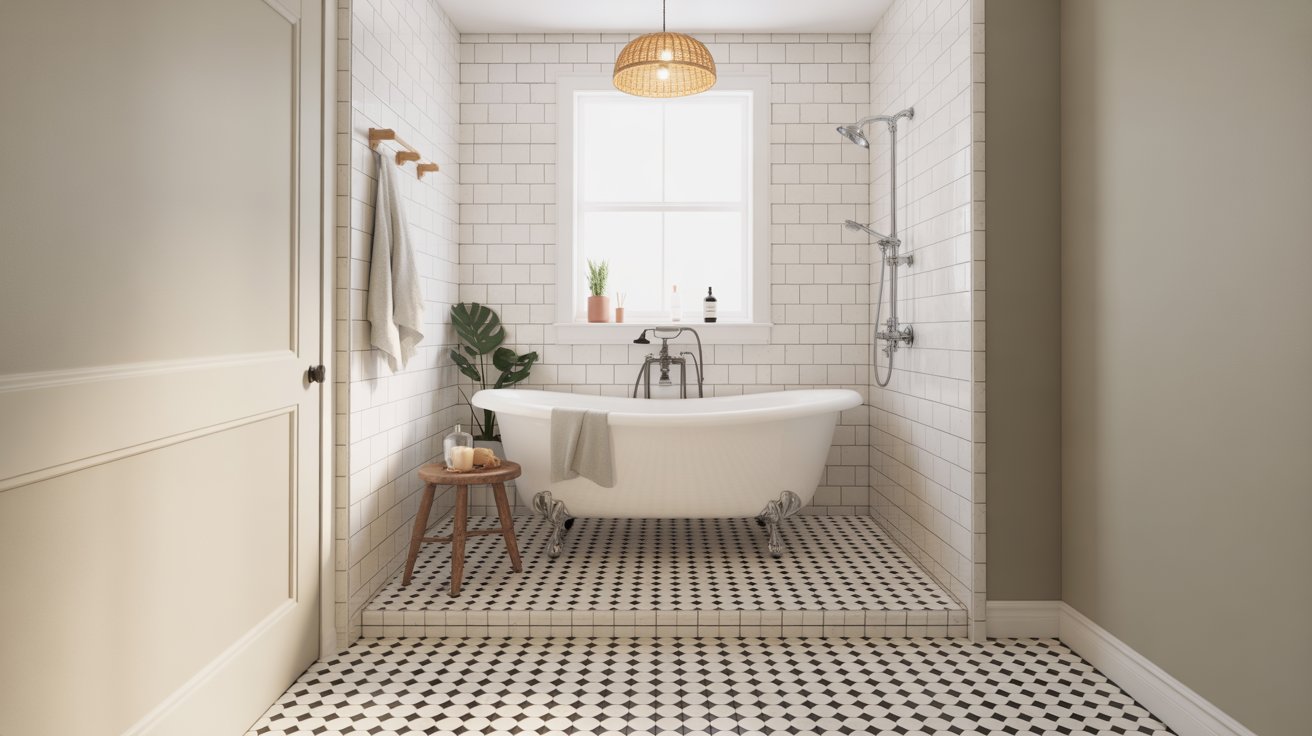
I thought clawfoot tubs were only for rich people in old movies. I was dead wrong. Because you can see the floor under the tub, your brain thinks the room is way bigger than it actually is. It’s a total mind trick.
My bathroom stopped feeling like a claustrophobic box the second I could see the tile going all the way to the baseboards. It creates this “airy” vibe that a heavy, built-in tub just kills.
Seriously. If you can see the floor, the room isn’t small anymore.
I Took Five Inches from My Hallway Closet
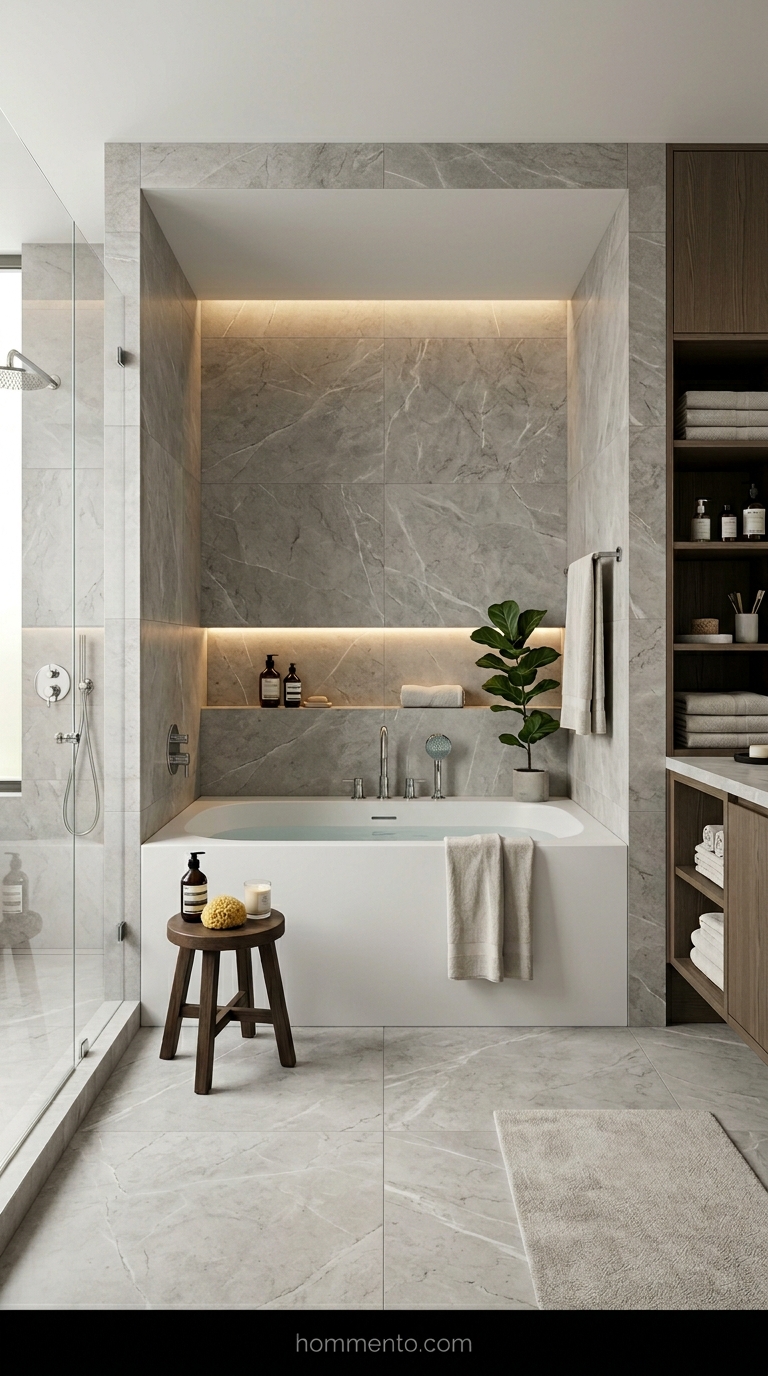
I got aggressive and stole five inches from my hallway linen closet. My contractor looked at me like I had two heads when I suggested it. But those five inches were the “make or break” for fitting a standard tub instead of a cramped basin.
I lost some shelf space for towels—who cares? I’d rather have a place to soak my sore back than a place to store 15 extra washcloths. It was a messy, dusty weekend of moving a stud, but I’d do it again in a heartbeat.
Wall Faucets Saved My Counter Space
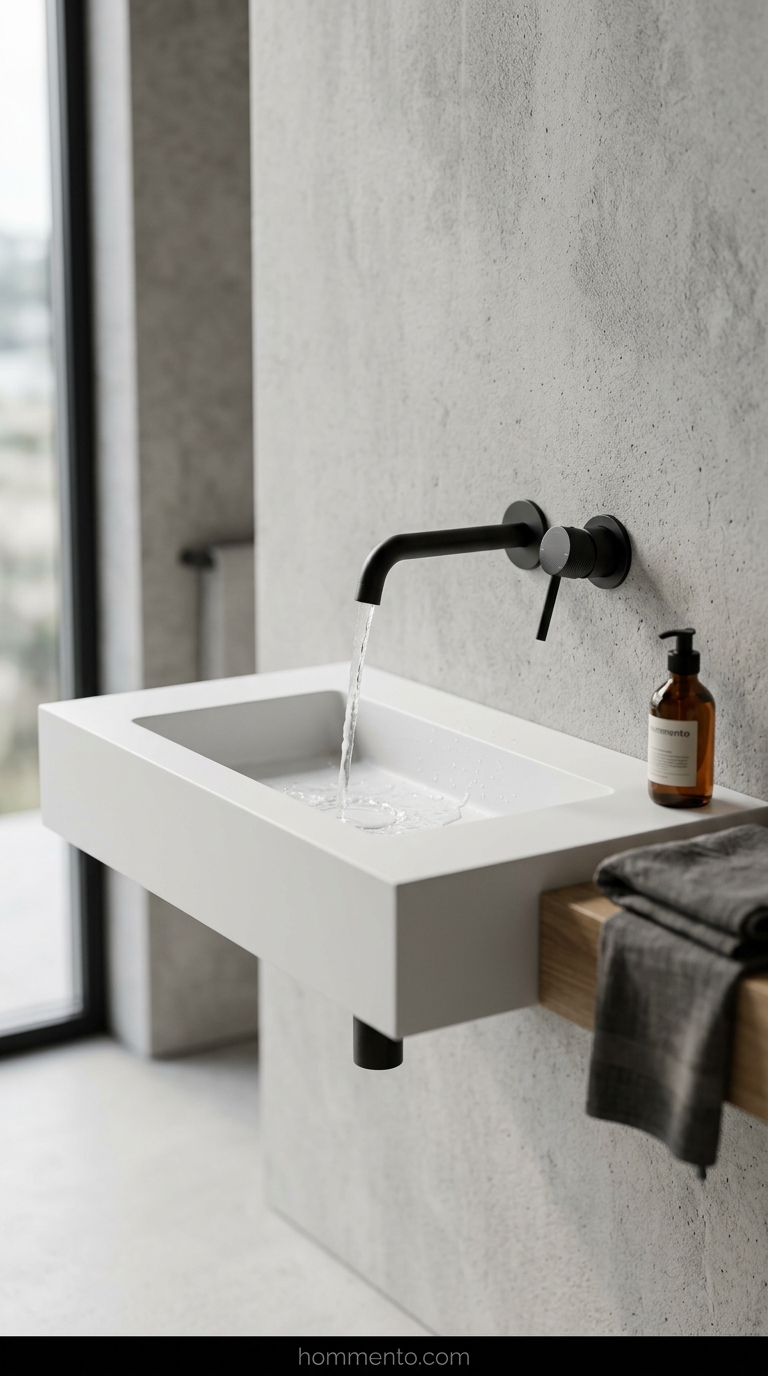
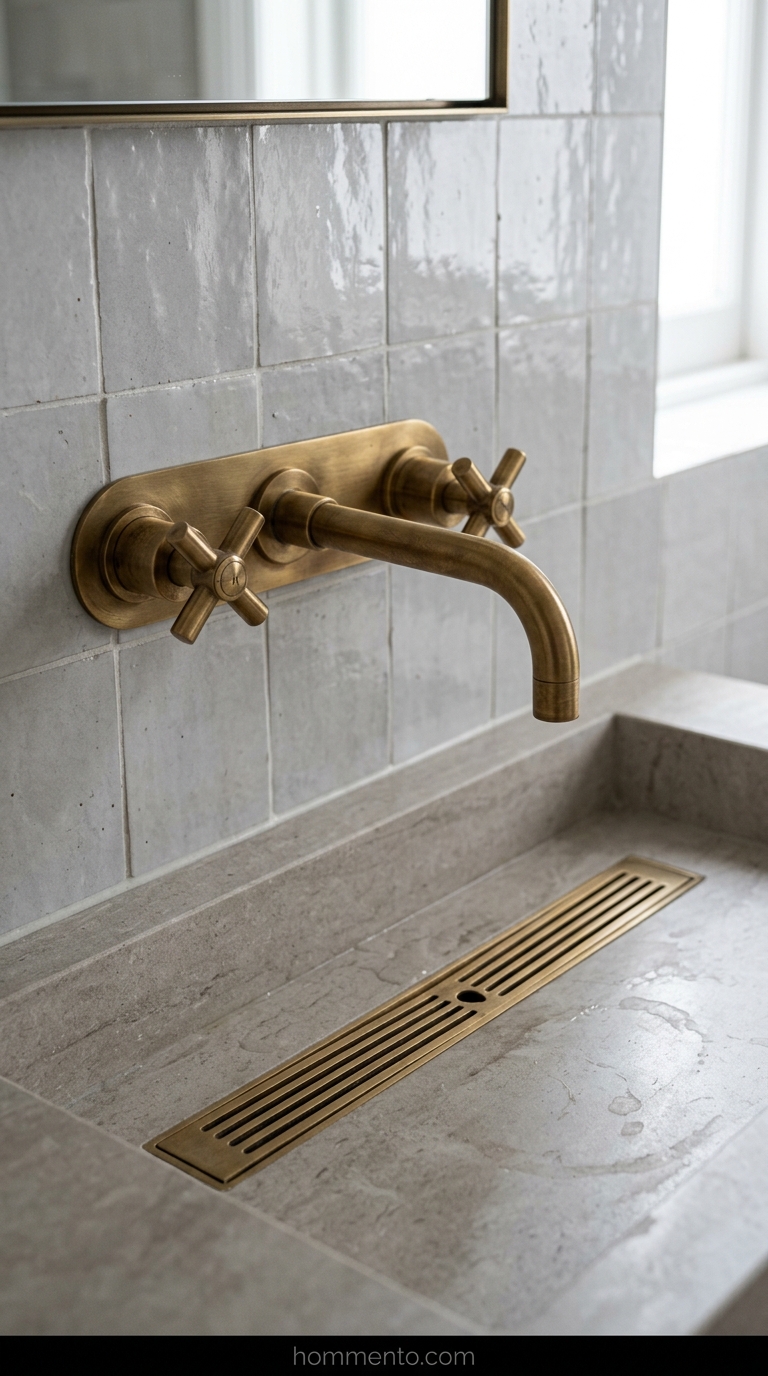
Quit putting your faucet on the sink ledge. Just stop. By mounting the faucet directly into the wall, I saved about four inches of counter space that I desperately needed.
Now I actually have a spot for my toothpaste and my massive coffee mug while I get ready in the morning. It looks sleek as hell, too. It makes the tiny sink feel like a deliberate “design choice” rather than a budget mistake.
Floating Vanities Are the Best Thing Ever
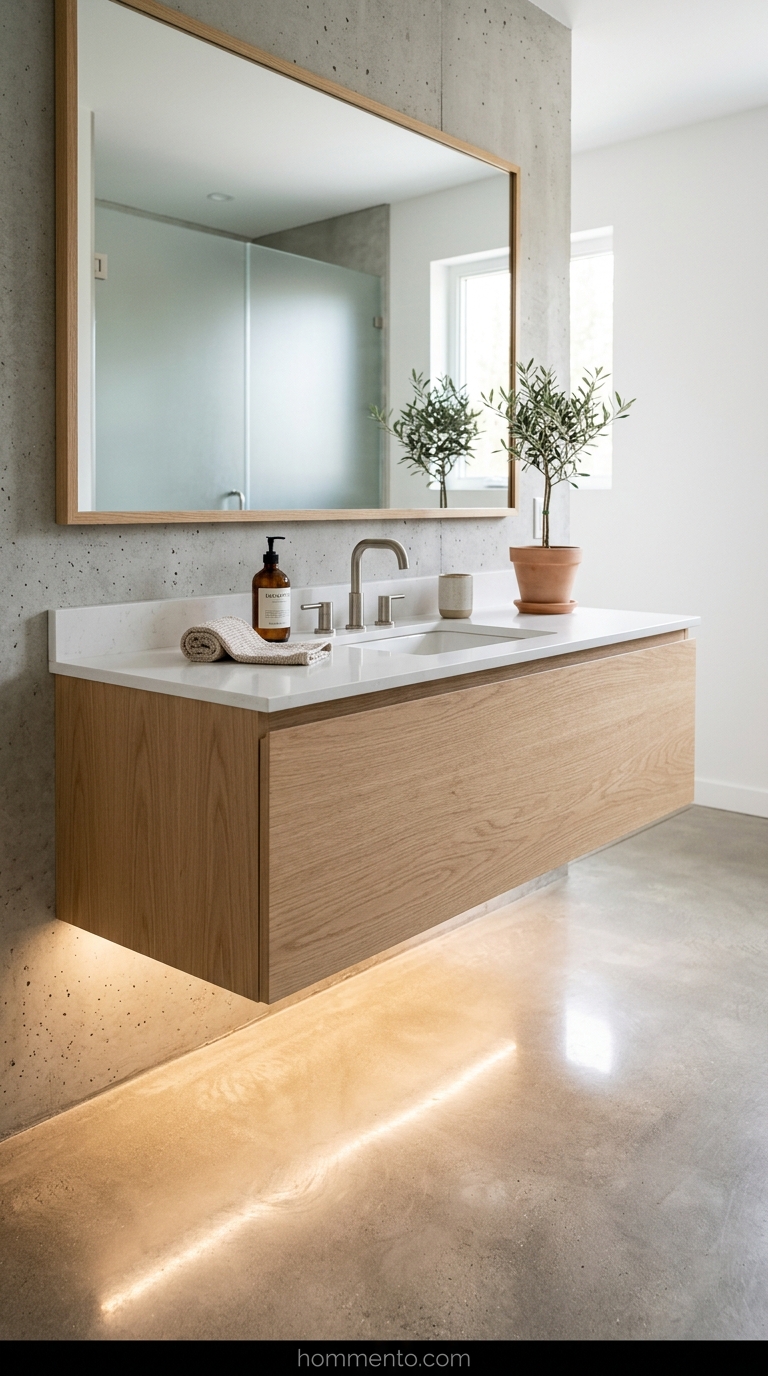
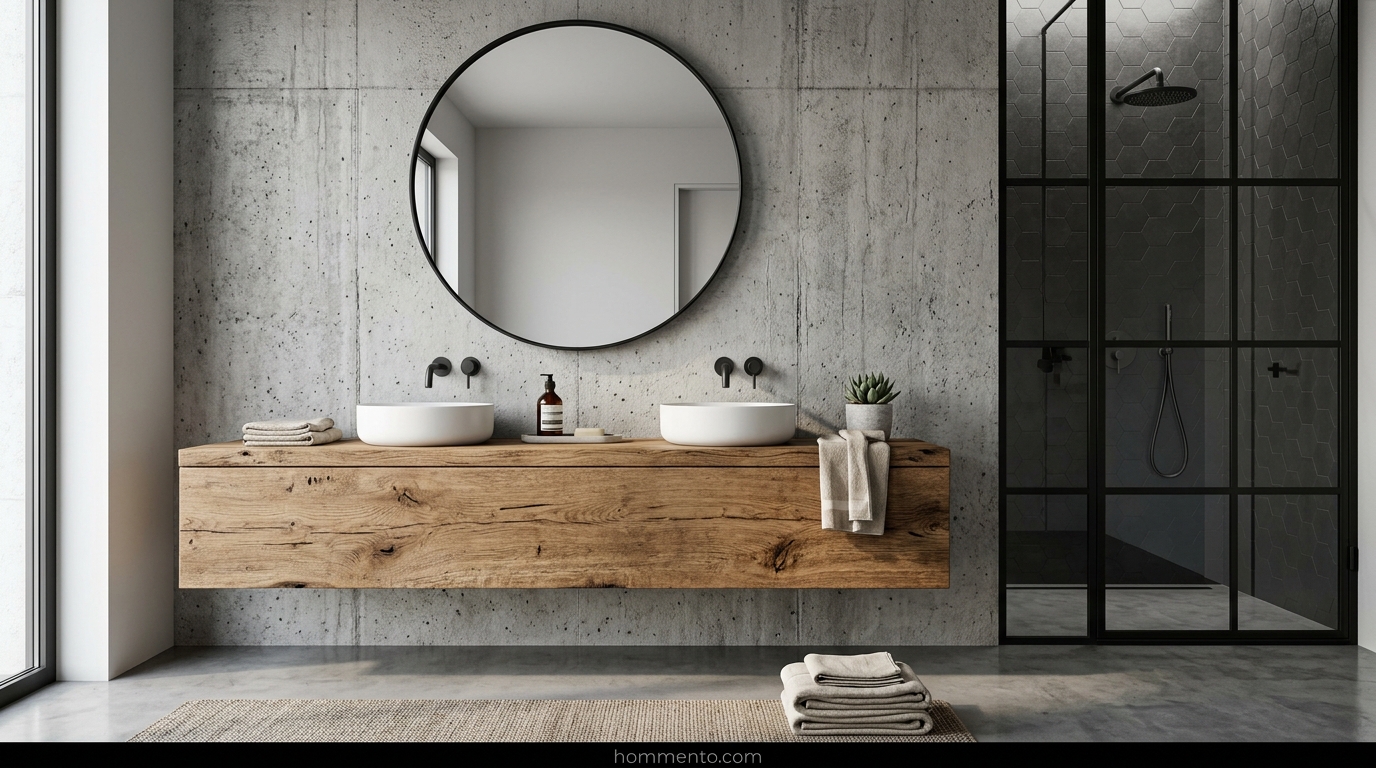
If your vanity touches the floor, you’re doing it wrong. My floating vanity—literally just a wood box bolted to the wall—makes the floor feel continuous.
It gives the room room to breathe.
Plus, I can hide my ugly bathroom scale or my slippers under there and nobody notices the clutter. It’s the easiest way to make a 40-square-foot room feel like 60.
Go for a Wet Room Layout if You’re Desperate
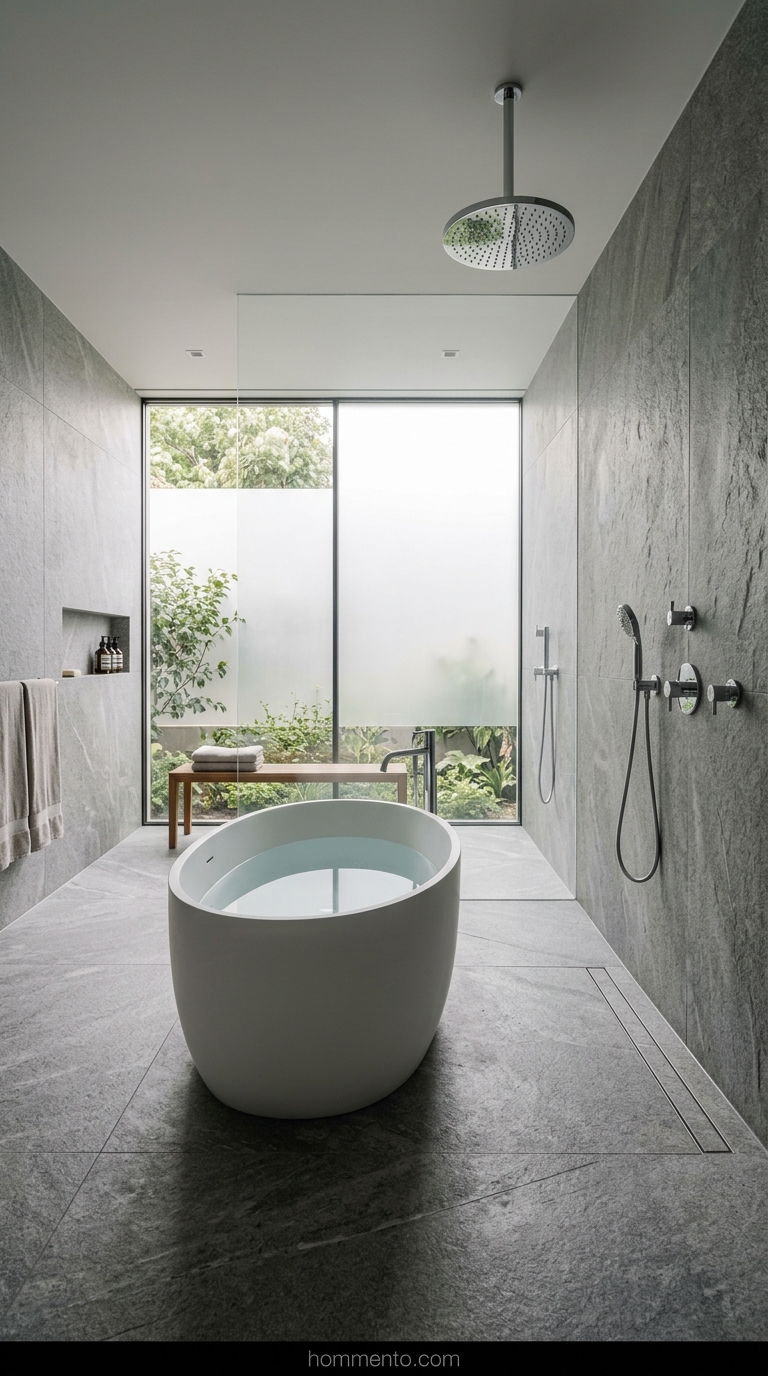
If your floor plan is a total nightmare, just turn the whole room into a shower. This is the “wet room” strategy. You put the tub inside the shower area and let the water fly everywhere.
It sounds messy, but it’s the only way to fit both a tub and a toilet in a space the size of a coat closet.
I’ve seen people pull this off in tiny NYC apartments and it looks incredible—just make sure your tiler knows what they are doing with the waterproofing or you’ll be living in a mold factory. It’s a bold move, but being able to soak is worth the extra squeegeeing.
Wall Niches Are the Only Way to Store Soap
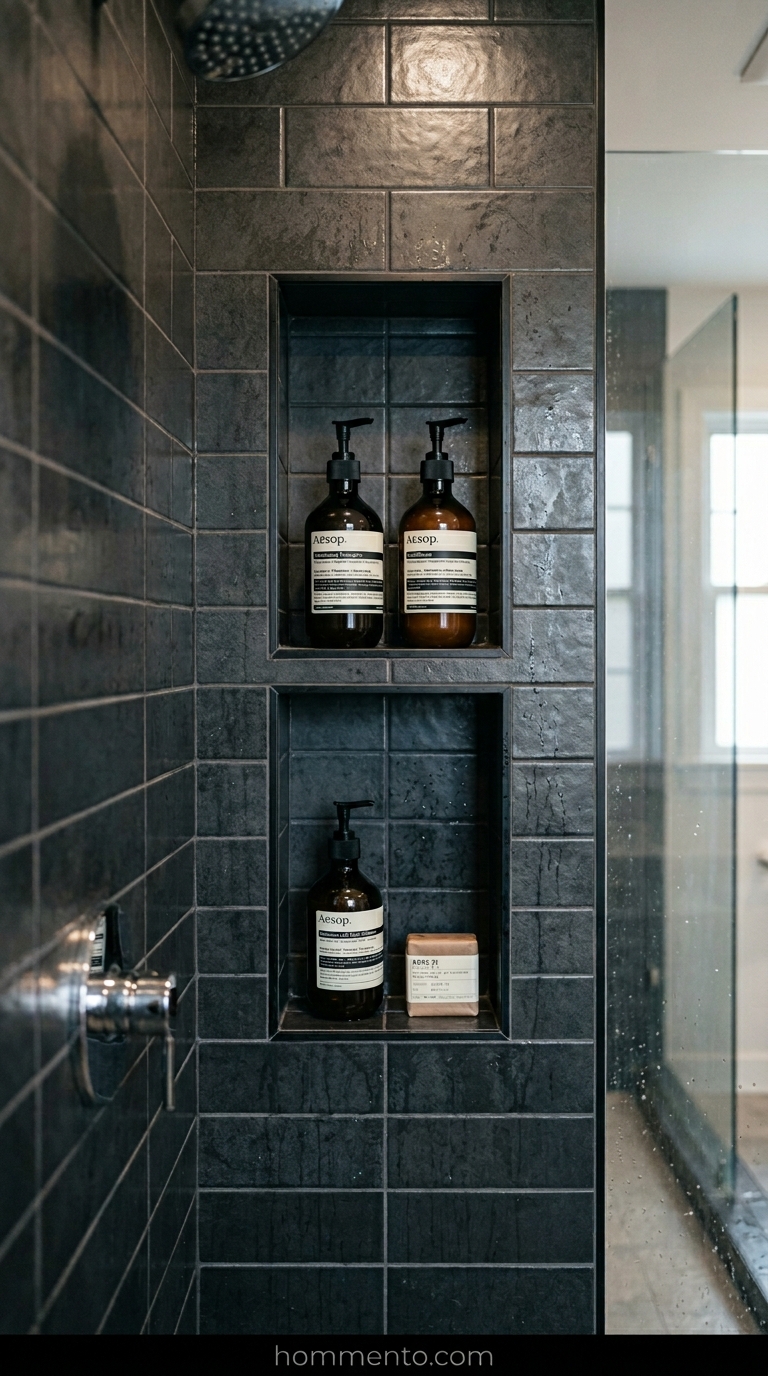
I spent years fighting with those rusted wire caddies that suction to the tile. They always fall. Usually at 3 AM. If you’re ripping out drywall anyway—just build a niche. It’s a literal hole in your wall for your shampoo that doesn’t poke you in the ribs while you’re trying to wash your hair.
It costs almost nothing extra in materials.
In a tiny bathroom, every inch you “steal” from inside the wall is a win. I made mine extra tall so my giant bottles of Costco-sized conditioner actually fit. Most contractors make them too small. Don’t let them.
Slipper Tubs Are Great for Taller People
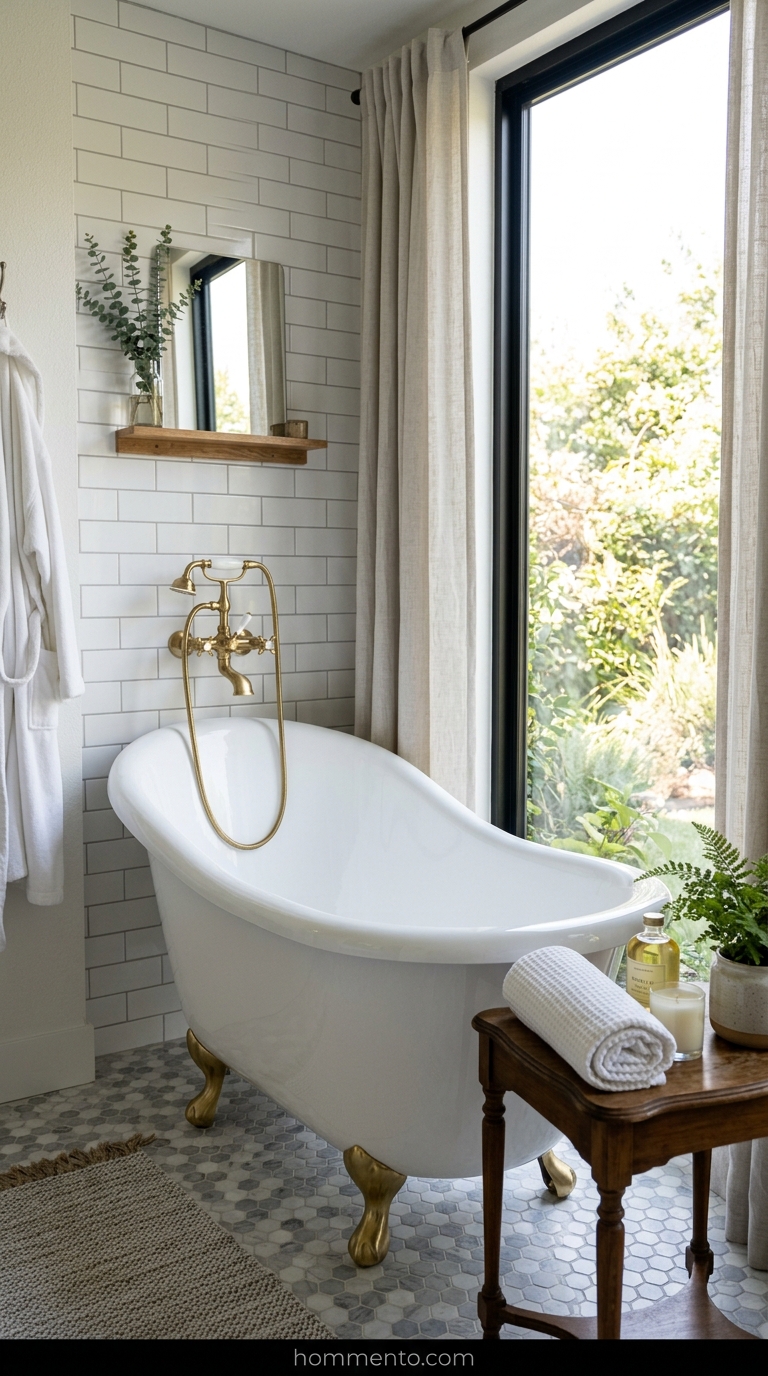
My brother is six-foot-two and he used to look like a folded lawn chair in my old apartment’s tub. Slipper tubs are different. One end swoops up high—sort of like a giant high-back chair—which gives you actual neck support. You get a deep soak without needing a massive 72-inch footprint on the floor.
It’s a vertical win.
I bought a 54-inch slipper tub and it feels roomier than the standard 60-inch flat tub I grew up with. Since the back is angled, you aren’t just sitting there with your knees up to your chin. You’re reclining.
Corner Tubs Are Surprisingly Good Now
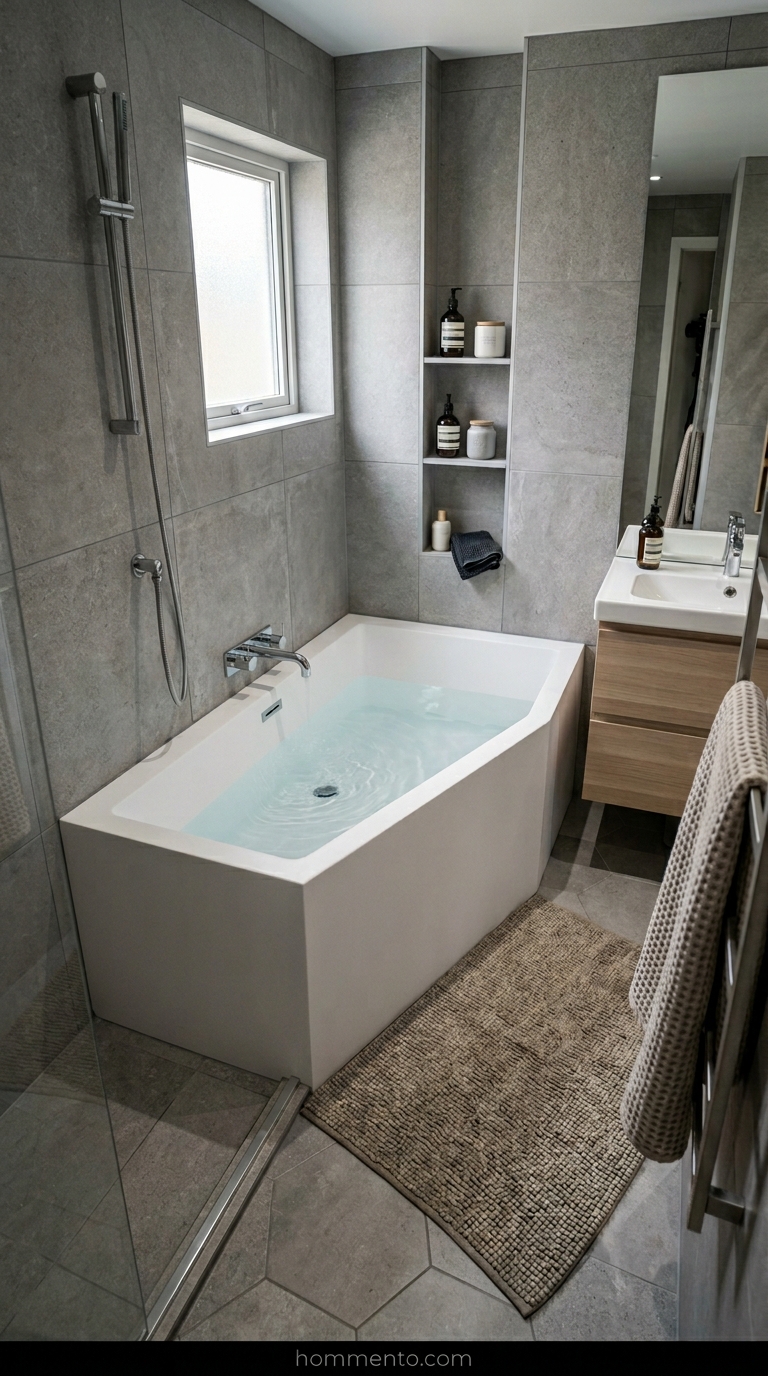
Forget those beige, plastic monstrosities from 1994. Modern corner tubs are actually sleek. They fit into that weird “dead zone” corner where a regular tub won’t go because of a window or a toilet.
It’s a math trick for your floor.
I saw a project recently where they tucked a 48-inch corner unit into a space that looked like a broom closet. It worked because the diagonal length gives you more legroom than you’d think. It looks custom, not cramped.
Get a Pocket Door or Get Mad at Your Tub
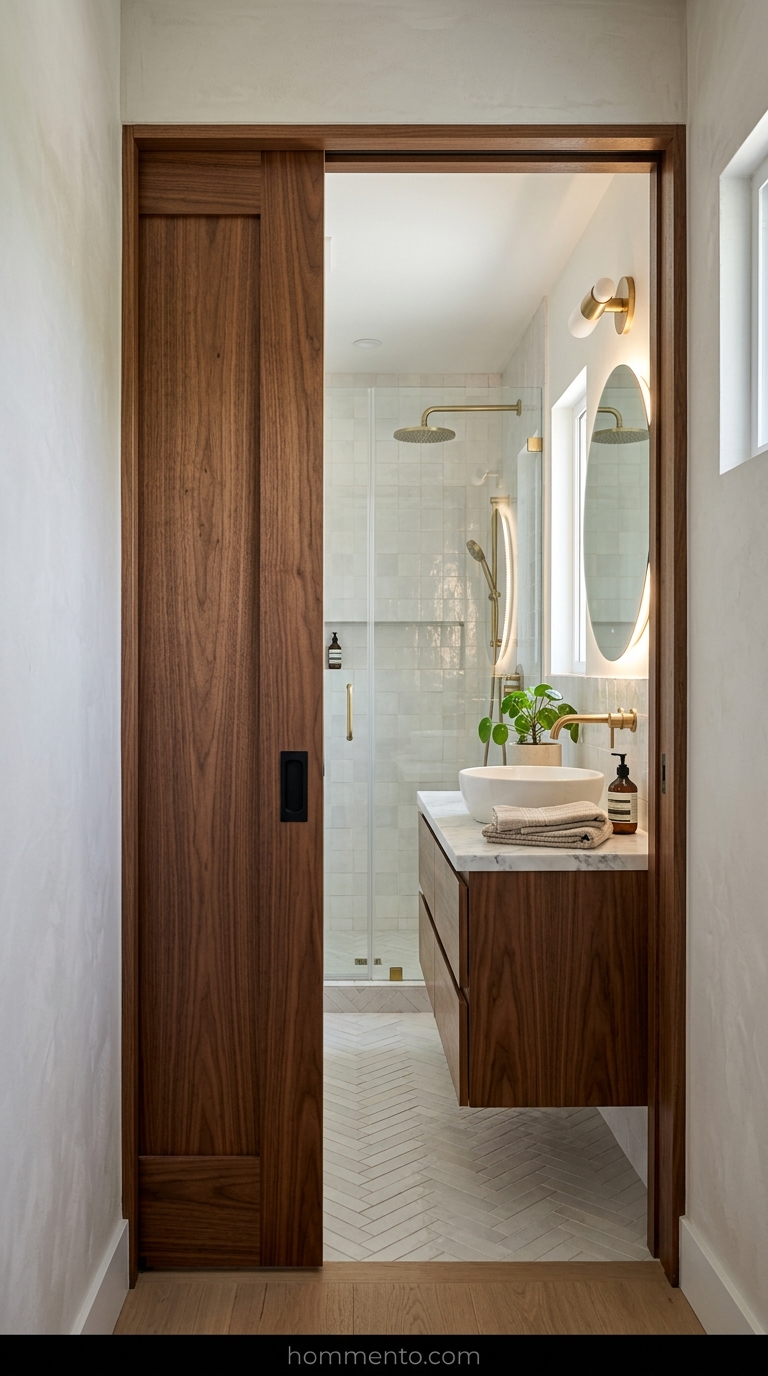
If your bathroom door swings inward and hits the tub, you’ll want to scream within a week. I’ve been there. Swapping my old swinging door for a pocket door—the kind that slides right into the wall—gave me back nearly nine square feet of usable space.
Seriously. It changed everything.
It’s a bit of a mess to install because you have to mess with the studs, but it beats shimmying past the toilet just to get into the bath. If a pocket door is too expensive, at least flip the hinges so the door swings out into the hallway.
Run Your Tile Up to the Ceiling
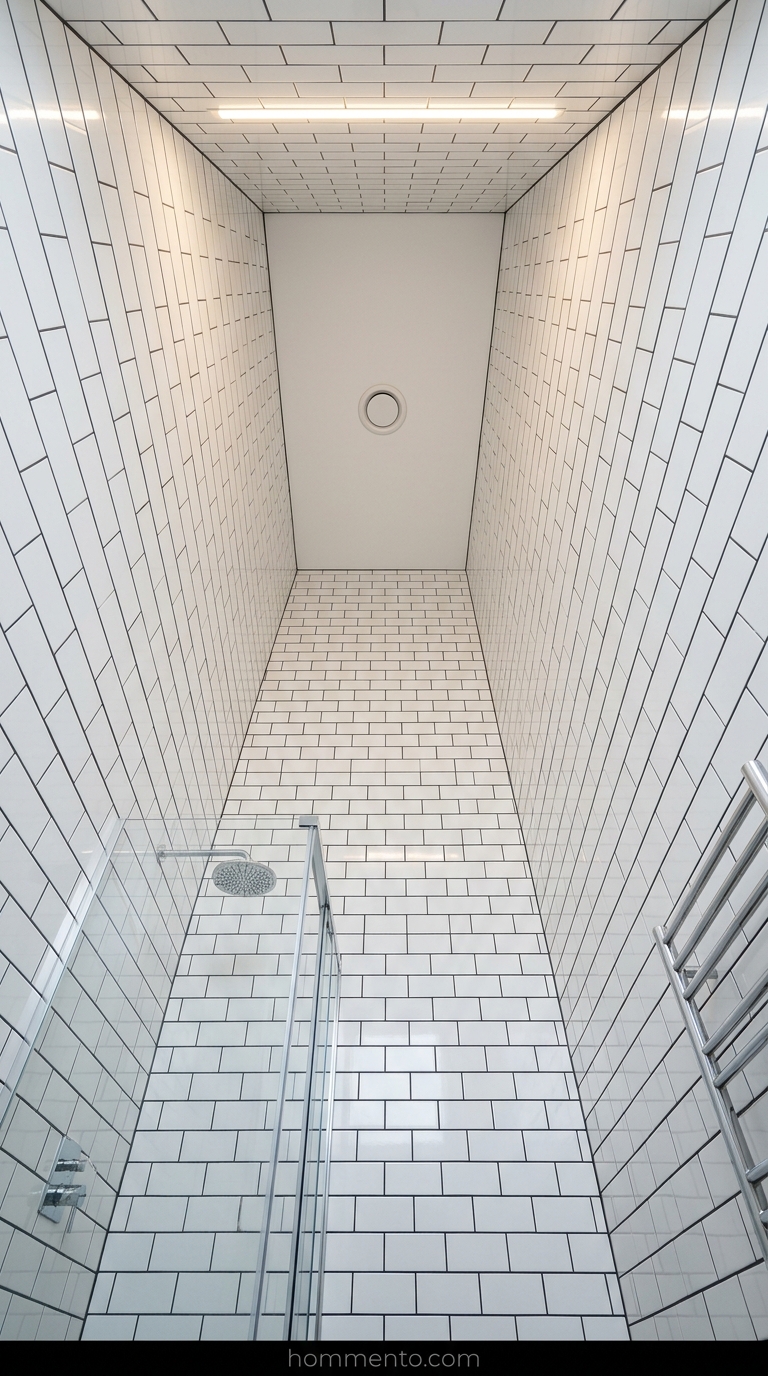
Most people stop tiling at six feet because they’re trying to save a few bucks. Don’t do that. When you run the tile all the way to the ceiling, the room suddenly looks twice as tall.
It stops the “choppy” look.
By taking the tile all the way up, you’re drawing the eye toward the ceiling instead of focusing on how narrow the room is. I used a simple white subway tile with dark grout. It looks like a fancy hotel and cost me maybe an extra $80 in materials. Best money I ever spent.
Drop-In Tubs with Tiled Decks Look High-End
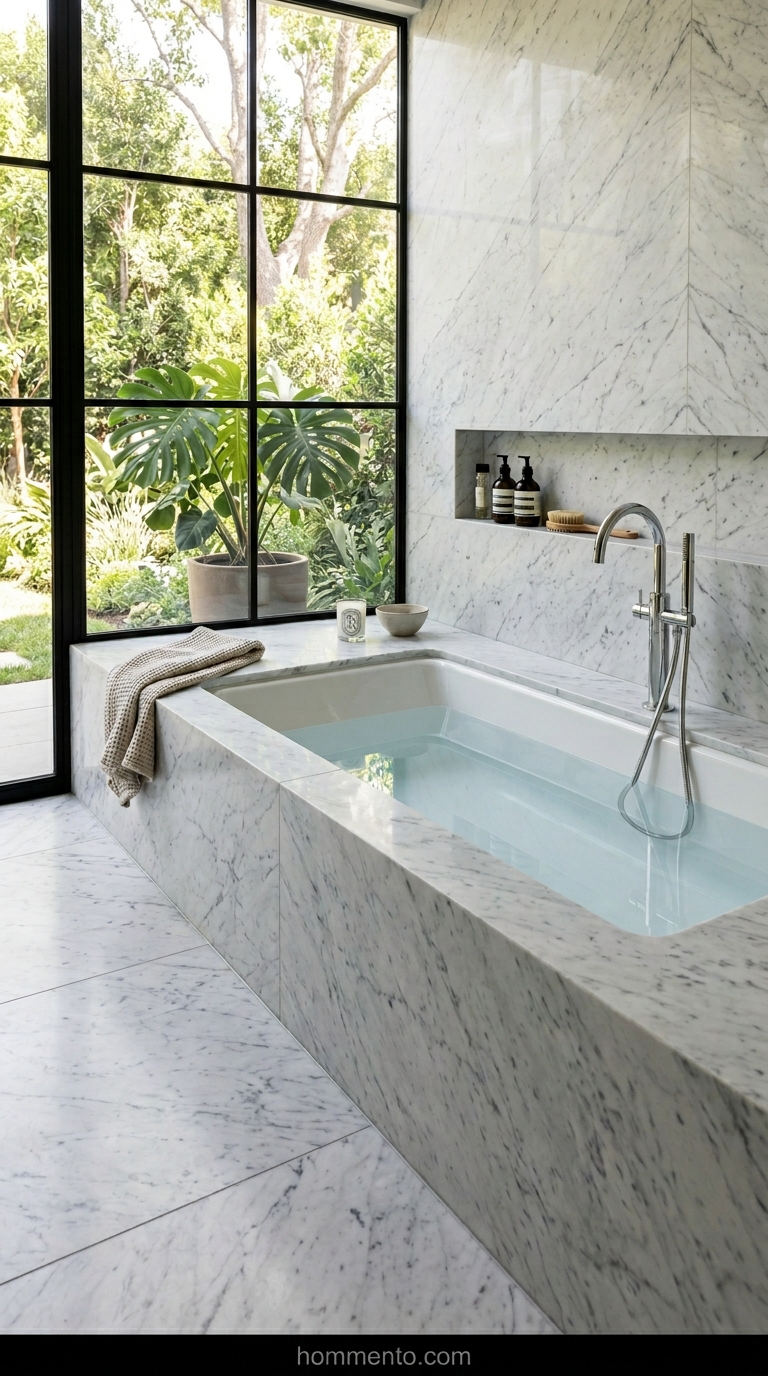
I used to think drop-ins were only for suburban mansions with way too much square footage. I was wrong. By building a tight wooden frame and tiling the top surface, my basic $300 acrylic tub started looking like a boutique hotel feature—mostly because I matched the tile to the floor. It creates this one continuous visual line that makes the room feel five feet wider than it actually is.
Plus, you get a ledge.
I use mine to hold a glass of wine and a candle, which is way better than balancing stuff on the thin rim of a standard alcove tub. Just make sure your contractor slopes that tiled ledge slightly toward the water so you don’t end up with a swampy mess on your floor every time you splash.
Common Mistakes to Avoid
Forget the floor strength at your own risk. Water weighs about eight pounds a gallon—add a grown adult to that and your “cute” vintage cast iron tub might just end up in your kitchen downstairs. I had to have a structural guy look at my joists before I committed. It cost me $200 for the visit, but it saved me from a literal house-collapsing disaster.
Don’t buy a tub that’s too deep if you have short legs.
I’ve seen people install these massive 22-inch “deep soak” tubs only to realize they need a step ladder just to get out after a bath. It’s a workout you don’t want when you’re half-asleep. Also—for the love of everything—don’t forget an access panel for the plumbing. If your drain leaks and you’ve tiled over every square inch of the base, you’re going to be swinging a sledgehammer through your expensive work.
Pro Tips
Go to the showroom and actually sit in the tub. I don’t care if the sales staff gives you a weird look. If your shoulders hit the sides or your feet don’t reach the end, you’re going to regret the purchase for the next ten years. I sat in four different tubs before I found one that didn’t make me feel like a sardine.
Spray foam is your secret weapon.
Before I closed up the framing, I stuffed the underside of my tub with insulation. It keeps the water hot for an hour instead of twenty minutes. It’s a cheap $20 fix that makes a massive difference when you’re trying to hide from your kids or your job.
Conclusion
Everyone told me a real tub in a five-by-eight room was a pipe dream. They were wrong. You might have to move a wall three inches or spend a week’s pay on a weirdly shaped Japanese soak tub, but it’s worth the headache. My tiny bathroom isn’t just a place to brush my teeth anymore—it’s actually a place I like to be. Finally.