

A kitchen set minimalist often looks perfect in photos. Clean cabinets, empty countertops, and simple colors create a calm atmosphere. The problem appears after a few months of daily cooking. Without enough storage and planning, minimal kitchens can feel restrictive.
Minimalist kitchens are not about removing everything. They are about choosing what truly matters. When designed thoughtfully, a minimalist kitchen supports daily routines without visual noise. When done poorly, it becomes impractical and frustrating.
This guide explores kitchen set minimalist ideas that stay functional, not just visually appealing.
What a Minimalist Kitchen Really Means
Minimalism is often misunderstood as empty or cold. In reality, it focuses on clarity and purpose. Every element should have a reason to exist.
A minimalist kitchen emphasizes efficient layouts, hidden storage, and neutral colors. Decorative items are limited, but functionality remains central.
The goal is reducing distraction, not comfort. A good minimalist kitchen feels calm while still supporting real cooking.
Kitchen Set Minimalist vs Modern Kitchen Design
Minimalist kitchens and modern kitchens overlap, but they are not identical. Modern design focuses on clean lines and current trends. Minimalism prioritizes restraint and simplicity.
A modern kitchen may include bold materials or statement features. A minimalist kitchen avoids excess, even if trends suggest otherwise.
Understanding this difference helps avoid mixing styles that feel visually confusing.
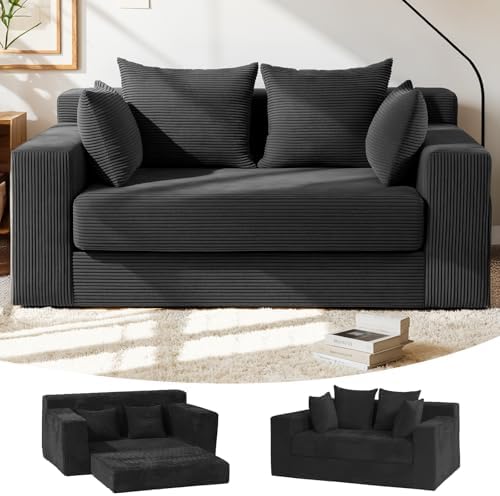
Boneless Loveseat Sleeper Sofa Bed, 3-in-1 Convertible Sofa Bed and Floor Futon Couch with 4 Pillows, 55″ Black Corduroy Boneless Couch for Living Room, Guest Room, Small Space, No Assembly Required
Choosing the Right Cabinet Design
Cabinets define the minimalist look. Flat panel doors with subtle finishes create continuity. Handleless or integrated handles keep surfaces clean.
In daily use, matte finishes outperform glossy ones. They hide fingerprints and feel softer visually. Neutral colors age better than bold choices.
Quality matters more than detail. Poor craftsmanship stands out in minimalist designs.
Storage Planning in Minimalist Kitchens
Storage determines whether a minimalist kitchen works long term. Hidden storage solutions keep counters clear without sacrificing usability.
Deep drawers, pull-out pantries, and internal organizers support daily cooking. Items used often should be easy to reach.
Minimalist kitchens fail when storage is underestimated. Function should lead design, not the other way around.
Countertop Choices That Support Minimalism
Minimalist countertops favor simplicity. Solid colors and subtle textures reduce visual noise. Quartz and solid surface materials work well.
Busy patterns draw attention and break the calm look. Smooth finishes also simplify cleaning.
Countertops should support food prep comfortably. Thin profiles enhance the minimalist aesthetic without sacrificing durability.
Minimalist Color Palettes That Last
Neutral color palettes dominate minimalist kitchens. Whites, soft grays, beige, and muted earth tones create a calm base.
Layering similar tones adds depth without clutter. Contrast can be introduced through texture rather than color.
Avoid chasing trends. Colors that feel calm today often remain comfortable years later.
Open Shelving in Minimalist Kitchens
Open shelving looks light and airy, but it demands discipline. Every item remains visible, which challenges everyday habits.
Shelving works best for frequently used items with consistent appearance. Mismatched containers disrupt the minimalist look quickly.
Limiting shelves to one section keeps balance and prevents visual overload.
Lighting in Kitchen Set Minimalist Design
Lighting plays a critical role in minimalist kitchens. It enhances clarity and reduces shadows. Under-cabinet lighting improves task visibility.
Warm light creates comfort, while neutral light improves focus. Balanced lighting prevents the space from feeling sterile.
Lighting should feel integrated, not decorative.
Minimalist Kitchen Layouts
Simple layouts support minimalist goals. Straight-line or L-shaped kitchens reduce visual breaks. Clear circulation improves daily comfort.
Avoid unnecessary features that interrupt flow. Every element should support movement and function.
Good layouts make minimalist kitchens feel effortless.
Appliances in Minimalist Kitchens
Built-in appliances support clean lines. Integrated refrigerators and dishwashers reduce visual clutter.
Choosing fewer, better appliances aligns with minimalist values. Oversized or rarely used appliances add unnecessary bulk.
Minimalist kitchens favor quality over quantity.
Materials That Feel Warm, Not Cold
Minimalism risks feeling cold if materials are poorly chosen. Adding natural textures like wood softens the space.
Warm materials balance clean lines and improve comfort. This makes the kitchen feel livable, not showroom-like.
Material balance defines long-term satisfaction.
Kitchen Set Minimalist for Small Spaces
Small kitchens benefit the most from a kitchen set minimalist. Clean lines reduce visual clutter and make the room feel larger. Full-height cabinets create continuity and maximize vertical storage.
Light colors reflect more light and improve openness. Handleless designs prevent the space from feeling crowded. Every cabinet should serve a clear purpose.
Minimalist kitchens in small spaces succeed when storage is carefully planned, not minimized blindly.
Family-Friendly Minimalist Kitchens
Minimalist design can work for families, but flexibility matters. Durable materials and forgiving finishes support daily wear.
Matte cabinets hide fingerprints better than glossy ones. Soft-close drawers reduce noise and damage. Internal organizers keep chaos under control.
The key is balance. Minimalism should simplify family life, not add stress.
Budget Planning for Minimalist Kitchens
Minimalist kitchens can be budget-friendly when designed wisely. Flat panel cabinets often cost less than decorative styles. Standard sizes reduce custom costs.
Spending should focus on functionality. Internal storage systems and quality hinges improve daily use more than decorative details.
A restrained design naturally controls budget when priorities are clear.
Common Mistakes in Minimalist Kitchen Design
One common mistake is removing too much storage. Empty counters look nice, but lack of space causes frustration.
Another issue is choosing cold materials exclusively. Without warmth, minimalist kitchens feel uninviting.
Ignoring lighting also undermines the design. Minimalism relies on clarity and balance.
When a Minimalist Kitchen Doesn’t Work
Minimalist kitchens are not ideal for everyone. Homes with high storage needs or frequent cooking may feel restricted.
If daily habits involve many tools and ingredients, a more flexible style may suit better. Forcing minimalism creates discomfort.
Knowing when to adapt the concept prevents regret.
Designer Insights on Minimalist Balance
Designers focus on restraint rather than emptiness. They carefully edit elements instead of removing them entirely.
Proportion, spacing, and material selection matter more than trends. Good minimalist kitchens feel intentional, not unfinished.
Professional planning ensures the kitchen remains functional.
Real-Life Tips From Minimalist Kitchens
Homeowners often wish they had added more drawers. Vertical storage becomes essential over time.
Testing layouts before finalizing helps reveal issues. Observing daily routines informs better decisions.
Minimalist kitchens succeed when designed around real use.
Final Thoughts on Kitchen Set Minimalist
A kitchen set minimalist works best when simplicity supports function. Clean lines, thoughtful storage, and warm materials create lasting comfort.
Minimalism is not about less for the sake of less. It is about clarity and purpose. When done right, minimalist kitchens stay enjoyable long after trends fade.


